Understand your unique artistic style and identify the specific demographic most likely to appreciate and purchase your work. This clarity guides your selling strategy.
2
Choose Your Platforms
Select the online marketplaces, galleries, or direct selling methods that best align with your art style, price point, and target audience. Research each option thoroughly.
3
Prepare Your Artwork
Ensure your artwork is professionally photographed, accurately described, and priced competitively. High-quality presentation is paramount for attracting buyers.
4
Market & Engage
Actively promote your art through social media, email newsletters, and networking. Engage with potential buyers and build a community around your artistic practice.
Navigating Online Marketplaces for Art Sales
Photo: Beyzaa Yurtkuran / Pexels
In the digital age, online marketplaces have revolutionized how artists connect with collectors and where to sell original artwork. These platforms offer unparalleled reach, allowing artists to showcase their creations to a global audience without the overheads of a physical gallery. However, the sheer volume of options can be overwhelming, making it crucial to select platforms that align with your artistic style, pricing strategy, and target demographic. Some popular choices include Etsy, known for its handmade and unique items, which can be an excellent starting point for artists selling prints, smaller originals, and crafts. While the fees can be a consideration, its massive user base provides significant exposure. Another strong contender is Saatchi Art, which caters specifically to fine art, offering artists a more curated environment and a dedicated audience of serious collectors. Their commission structure is higher, but the prestige and marketing support can be invaluable. Artfinder is another excellent option, focusing on independent artists and offering a global reach with a slightly lower commission than some high-end galleries. For those selling high-value pieces, Artsy provides a sophisticated platform connecting artists with established galleries and auction houses, often requiring an application process or gallery representation. Each platform has its own strengths, fee structures, and audience demographics. Artists must carefully research each one, comparing their commission rates, listing fees, marketing tools, and audience engagement. Beyond the established giants, niche platforms are emerging that cater to specific art forms or communities, offering a more tailored selling experience. For instance, platforms specializing in abstract art, photography, or specific cultural art forms might provide a more concentrated audience eager for particular styles. The key to success on any online marketplace is high-quality photography of your artwork, detailed and engaging descriptions, transparent pricing, and consistent engagement with potential buyers. Building a strong artist profile, actively participating in the platform's community, and leveraging any promotional tools they offer can significantly boost your visibility and sales. Remember, selling online is not just about listing; it's about creating an experience for the buyer, from browsing to purchase and delivery. Investing time in understanding each platform's nuances will ultimately determine your success in this competitive yet rewarding space. For more insights on digital art sales, explore our guide on marketing your art online.
The Power of Direct Sales: Building Your Brand and Income
Beyond online marketplaces, direct sales represent one of the most empowering and profitable avenues for artists wondering where to sell original artwork. Selling directly to collectors allows artists to retain a higher percentage of their sales price, eliminating gallery commissions or marketplace fees. This approach also fosters a deeper connection with buyers, building a loyal fan base and creating a sustainable career. The cornerstone of direct sales is establishing a strong online presence, primarily through your own artist website. A professional website acts as your virtual gallery, showcasing your portfolio, artist statement, and available works. It provides a dedicated space where you have complete control over branding, presentation, and pricing. Investing in a well-designed, mobile-responsive website with an integrated e-commerce solution is crucial. Platforms like Shopify, Squarespace, or WordPress with e-commerce plugins offer robust tools for artists to manage their inventory, process payments, and ship orders. High-quality photography is non-negotiable for direct sales; clear, well-lit images that accurately represent your artwork are essential. Equally important is compelling written content, including an engaging artist biography, detailed descriptions of each piece, and stories behind your creations. Storytelling adds value and helps collectors connect emotionally with your art. Social media plays a vital role in driving traffic to your website and engaging with potential buyers. Platforms like Instagram, Facebook, and Pinterest are visual-centric and ideal for artists. Regularly posting high-quality images and videos of your work, behind-the-scenes glimpses, and process shots can captivate an audience. Engaging with comments, running polls, and hosting live Q&A sessions can build a vibrant community around your art. Email marketing is another powerful tool for direct sales. Building an email list allows you to directly communicate with interested collectors, share new works, announce exhibitions, and offer exclusive previews or discounts. A personalized email newsletter can foster a sense of exclusivity and direct access, converting subscribers into buyers. Participating in local art fairs, open studios, and pop-up events also falls under direct sales. These in-person opportunities allow potential buyers to see your work firsthand, meet you, and experience your art in a tangible way. The personal connection forged at these events can be incredibly powerful in securing sales and building long-term relationships. Ultimately, direct sales empower artists to be their own gallerists, marketers, and business owners, offering greater control and higher profit margins.
Leveraging Traditional Galleries and Exhibitions
For many artists, the aspiration of having their work displayed in a traditional gallery remains a significant goal and a primary answer to where to sell original artwork. Galleries offer unparalleled prestige, professional representation, and access to a network of established collectors. They handle the marketing, sales, and often the shipping of your artwork, allowing you to focus more on your creative process. However, securing gallery representation can be challenging and requires a strategic approach. The first step is to research galleries that align with your artistic style, medium, and career stage. Look at the artists they represent, the types of exhibitions they host, and their price points. Visiting galleries in person, attending exhibition openings, and speaking with gallerists can provide invaluable insights into their operations and preferences. When approaching a gallery, a professional submission package is essential. This typically includes a compelling artist statement, a well-curated portfolio of your best work (high-resolution images are critical), a detailed CV or resume, and a letter of introduction. Many galleries have specific submission guidelines, so always check their website or contact them directly before sending unsolicited materials. Be prepared for rejection; gallery representation is highly competitive. Building relationships with gallerists over time, attending their events, and showing genuine interest in their program can sometimes open doors. Once represented, galleries usually work on a commission basis, typically taking 40-60% of the sale price. While this might seem high, it covers their operational costs, marketing efforts, client relationships, and the prestige they lend to your work. Negotiating terms, including commission rates, exhibition opportunities, and marketing support, is part of the process. Exhibitions, whether solo or group shows, are crucial for gaining visibility and selling art. Galleries actively promote these events to their client base, art critics, and the media. Participating in juried exhibitions, art fairs (often through a gallery), and art festivals can also elevate your profile. Even without full gallery representation, independent exhibition spaces, artist-run initiatives, and community art centers offer valuable opportunities to showcase your work and build a local following. Networking within the art community, attending workshops, and engaging with other artists and curators can lead to exhibition invitations and collaborations. The traditional art world, while sometimes perceived as exclusive, still offers immense opportunities for artists to establish credibility, reach discerning collectors, and ultimately, successfully sell their original artwork. For more on navigating the art world, see our article on building an artist portfolio.
Essential Tips for Artists Selling Original Artwork
Selling original artwork, regardless of the chosen platform, requires more than just creating beautiful pieces. Strategic planning, professional presentation, and effective communication are paramount. Here are some essential tips to help artists maximize their sales and navigate the market:
* **Professional Photography is Non-Negotiable:** High-quality images are your most powerful selling tool, especially online. Invest in professional photography or learn how to take excellent photos of your art yourself. Ensure true-to-life colors, good lighting, and multiple angles, including detail shots and a shot with a person or object for scale.
* **Price Your Art Strategically:** Research similar artists and their pricing. Consider your materials, time spent, experience, and the market value. Don't undersell your work, but also be realistic. A consistent pricing structure across all platforms is crucial. Clearly communicate if framing or shipping is included in the price.
* **Craft Compelling Descriptions and Stories:** Every piece of art has a story. Share the inspiration, the process, and the emotions behind your work. This creates a deeper connection with potential buyers. Write clear, concise descriptions that include dimensions, medium, and any unique features.
* **Build a Professional Online Presence:** A dedicated artist website is your central hub. Link all your social media, online marketplaces, and contact information here. Ensure it's easy to navigate, visually appealing, and mobile-friendly.
* **Engage with Your Audience:** Be active on social media. Respond to comments and messages promptly. Share behind-the-scenes content, process videos, and works in progress. Building a community around your art fosters loyalty and encourages sales.
* **Offer Excellent Customer Service:** From initial inquiry to post-purchase follow-up, treat every potential and actual buyer with professionalism. Clear communication about shipping, returns, and care instructions can turn a one-time buyer into a repeat collector.
* **Package and Ship Professionally:** Ensure your artwork is securely packaged to prevent damage during transit. Consider using professional art shippers for larger or more delicate pieces. Clear communication about shipping costs and timelines is vital.
* **Diversify Your Income Streams:** Don't put all your eggs in one basket. Explore selling prints, merchandise, offering commissions, or teaching workshops in addition to your original artwork. This creates financial stability and broader market reach.
* **Network with Other Artists and Professionals:** Attend art events, join artist communities, and connect with curators, gallerists, and collectors. Networking can lead to collaborations, exhibition opportunities, and valuable insights into the art market.
* **Continuously Learn and Adapt:** The art market is dynamic. Stay informed about trends, new platforms, and evolving marketing strategies. Be open to feedback and continuously refine your artistic practice and business approach.
Comparison
Feature
Artist Website (Direct Sales)
Online Marketplaces (e.g., Saatchi Art)
Traditional Galleries
Commission Fees
0-5% (payment processor)
15-35%
40-60%
Control Over Branding
High
Medium
Low
Market Reach
Dependent on artist's marketing
Global, broad audience
Curated, established collectors
Effort Required (Marketing)
High
Medium
Low (gallery handles)
Prestige/Credibility
Built by artist
Varies by platform
High
Direct Customer Relationship
✓
✗
✗
Shipping/Logistics
Artist handles
Platform often assists
Gallery handles
What Readers Say
★★★★★
"Using my own website to sell original artwork has been a game-changer. I retain more profit and connect directly with my collectors, which is incredibly rewarding."
Sarah J. · Austin, TX
★★★★★
"Saatchi Art helped me get my first international sale. The platform is excellent for exposure, and they handle a lot of the logistics, making it easier for me to focus on creating."
Mark D. · Portland, OR
★★★★★
"After years of trying various marketplaces, getting into a local gallery significantly boosted my sales and credibility. My pieces now fetch much higher prices."
Emily R. · New York, NY
★★★★★
"While Etsy is great for my smaller pieces, I've found that building an email list and selling directly through my site generates more consistent income for my larger original works."
David L. · San Francisco, CA
★★★★★
"Attending local art fairs has been fantastic for meeting buyers face-to-face. The immediate feedback and connections I make often lead to follow-up sales through my website."
Jessica M. · Miami, FL
Frequently Asked Questions
What's the best platform for a new artist to sell original artwork?
For new artists, Etsy is often a great starting point due to its large user base and relatively low barrier to entry. Consider pairing it with an Instagram presence to drive traffic to your listings. As you gain experience, an artist's personal website offers more control and higher profit margins.
How much commission should I expect to pay when selling my art?
Commission rates vary significantly. Online marketplaces typically charge 15-35%, while traditional galleries often take 40-60%. When selling directly through your own website, you'll only pay payment processing fees, usually 2-5%.
How do I price my original artwork fairly?
Pricing art involves considering factors like materials cost, time spent, your experience level, and the current market value for similar artists. Research what comparable works are selling for, and ensure your pricing is consistent across all your selling channels. Don't undervalue your work.
Is it better to sell art online or through physical galleries?
Both online and physical galleries offer unique advantages. Online sales provide global reach and lower overheads, while physical galleries offer prestige, professional representation, and in-person viewing. The most effective strategy often involves a hybrid approach, leveraging both for maximum exposure and sales.
What are the common mistakes artists make when trying to sell their art?
Common mistakes include poor quality photography, inconsistent branding, inadequate descriptions, neglecting marketing and audience engagement, and inconsistent pricing. Underestimating the business aspect of being an artist is a significant pitfall; treat your art career as a business.
Who should consider selling original artwork directly from their own website?
Artists who are ready to invest time in marketing, customer service, and website management should consider direct sales. It's ideal for those who want full control over their brand, pricing, and customer relationships, and who aim for higher profit margins on their work.
How can I protect my artwork from damage during shipping?
Proper packaging is crucial. Use high-quality, archival materials, multiple layers of padding (bubble wrap, foam), and sturdy boxes. For fragile or high-value pieces, consider professional art shipping services and always ensure your shipments are insured against damage or loss.
What future trends should artists be aware of in the art market?
Artists should keep an eye on the growth of NFTs (Non-Fungible Tokens) for digital art, the increasing importance of augmented reality (AR) for viewing art, and the continued rise of social commerce. Personal branding and direct-to-consumer models will likely remain dominant trends.
Ready to turn your passion into profit? Explore the diverse avenues available where to sell original artwork and connect with collectors who will cherish your creations. Start your journey today and find the perfect platform for your unique artistic voice.

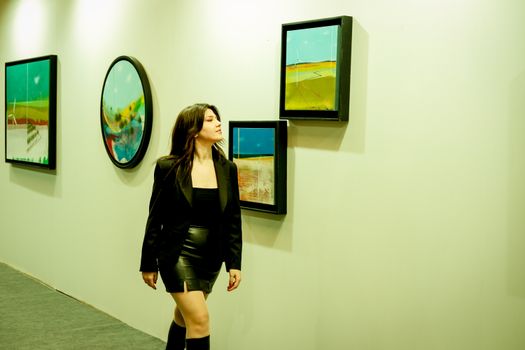 Photo: Beyzaa Yurtkuran / Pexels