Where to Sell Handmade Crafts: Your Ultimate Guide
June 23, 2026 14 min read 2,887 words
Uncover the most lucrative avenues to sell your unique creations and turn your passion into a thriving business.
Start Selling Now
Navigating Online Marketplaces for Handmade Goods
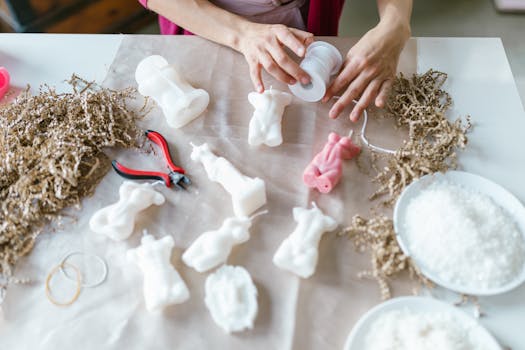 Photo: RDNE Stock project / Pexels
In the digital age, the question of where to sell handmade crafts often begins with online marketplaces. These platforms offer unparalleled reach, connecting artisans with millions of potential buyers globally, or within specific niches. However, not all marketplaces are created equal, and understanding their nuances is key to selecting the right fit for your unique creations. The most prominent player in this space is undoubtedly Etsy. Renowned specifically for handmade, vintage, and craft supplies, Etsy provides a massive, pre-built audience actively seeking unique items. Its user-friendly interface, integrated payment processing, and marketing tools make it an attractive starting point for many crafters. However, its popularity also means high competition, and sellers must invest time in SEO, compelling product photography, and effective descriptions to stand out. Fees, including listing fees, transaction fees, and payment processing fees, are also a significant consideration, which can impact your overall profit margins. Beyond Etsy, other platforms cater to different segments of the handmade market. Amazon Handmade, for instance, offers a more curated experience, requiring an application process to ensure genuine handmade products. This exclusivity can lead to less competition and a perception of higher quality, potentially attracting a more affluent customer base. However, Amazon's overall marketplace is vast, and handmade items can sometimes get lost amidst mass-produced goods, making targeted marketing within the platform crucial. Fees on Amazon Handmade are generally higher than Etsy, often including a referral fee per sale.
Exploring different marketplace options can reveal hidden gems. For those focused on higher-end or art-centric pieces, platforms like ArtFire or even Shopify (for building your own independent store) might be more appropriate. ArtFire, while smaller than Etsy, often attracts buyers looking for more unique or niche items, and its fee structure can be more predictable with subscription plans. Shopify, on the other hand, gives you complete control over your brand, design, and customer experience, but requires you to drive all your own traffic, which can be a significant undertaking for new sellers. The decision to use a marketplace often boils down to balancing reach, competition, fees, and the level of control you desire over your brand. Many successful crafters adopt a multi-platform strategy, using a popular marketplace for broad exposure while simultaneously building an independent website for brand building and direct sales. This hybrid approach allows them to leverage the audience of established platforms while cultivating a loyal customer base on their own terms. Ultimately, the best online marketplace is one that aligns with your product's aesthetic, your target audience, and your business goals, offering a sustainable path to profitability.
Unlocking Local Opportunities: Fairs, Markets, and Boutiques
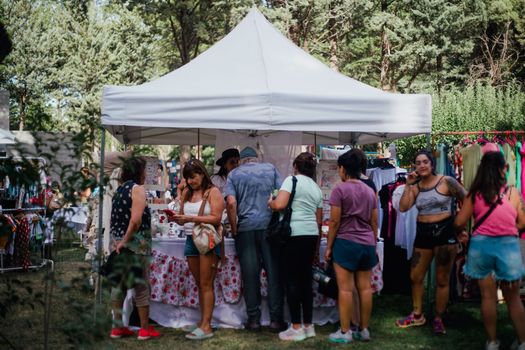 Photo: Elias Jara / Pexels
While online sales offer global reach, the tangible connection forged at local events is invaluable when considering where to sell handmade crafts. Craft fairs, farmers' markets, and local artisan boutiques provide unique opportunities to engage directly with customers, gather immediate feedback, and build a strong local following. The experience of seeing, touching, and feeling a handmade item often translates into higher perceived value and a greater willingness to purchase. Craft fairs are perhaps the most traditional and enduring method for selling handmade goods. From large, juried art shows to smaller community bazaars, these events bring together a concentrated audience specifically looking for unique, handcrafted items. Success at craft fairs hinges on several factors: selecting the right fair for your product and target demographic, creating an attractive and functional booth display, pricing your items competitively, and engaging warmly with potential customers. Researching upcoming fairs, understanding their application process, and learning about their typical attendance and sales figures can significantly increase your chances of success. Be prepared for booth fees, which can vary widely, and consider the time and effort required for setup and teardown. Farmers' markets, though primarily focused on produce, have increasingly become venues for local artisans. The relaxed, community-oriented atmosphere can be ideal for selling smaller, more affordable handmade goods, especially those with a natural or artisanal feel, like handmade soaps, candles, or small textile items. The foot traffic is often consistent, and customers are typically looking to support local businesses. While booth fees at farmers' markets are generally lower than dedicated craft fairs, space can be limited, and competition from other non-food vendors might exist.
Establishing a presence at local markets builds community ties. Local artisan boutiques and consignment shops offer another compelling avenue. These establishments curate collections of handmade goods, providing a permanent retail presence without the need for you to be physically present. This can be an excellent option for crafters who prefer to focus on creation rather than direct sales. Consignment arrangements typically involve the shop taking a percentage of each sale (often 30-50%), while wholesale arrangements involve selling your items to the shop at a reduced price, allowing them to set their own retail price. Building relationships with boutique owners is crucial; they often have a keen eye for what sells well in their store and can provide valuable insights. Additionally, pop-up shops, either independently organized or in collaboration with other local businesses, offer a flexible way to test new markets or create a temporary brand experience. These can be particularly effective during holiday seasons or special community events. Combining online sales with a strong local presence allows crafters to diversify their income streams, reduce reliance on any single channel, and build a robust, recognizable brand within their community. The personal interactions at local events often lead to loyal customers who not only purchase your crafts but also spread positive word-of-mouth.
Building Your Brand: Independent Websites & Social Media Selling
 Photo: Huỳnh Như Mavi / Pexels
Beyond established marketplaces and local events, building your own brand presence through an independent website and leveraging social media platforms offers significant advantages when deciding where to sell handmade crafts. An independent website, powered by platforms like Shopify, Squarespace, or WooCommerce, grants you ultimate control over your brand identity, customer data, and sales process. There are no marketplace fees on each sale (though platform subscription fees apply), allowing you to retain a larger percentage of your revenue. More importantly, your website becomes your digital storefront, a dedicated space where your unique aesthetic can shine without the distractions of competing products. You dictate the user experience, the visual design, and the narrative around your crafts. This level of control is invaluable for long-term brand building and fostering a direct, loyal customer base. However, the trade-off is that you are solely responsible for driving traffic to your site. This requires a dedicated effort in search engine optimization (SEO), content marketing (e.g., blogging about your creative process), and active promotion across other channels. Social media has become an indispensable tool for crafters looking to sell handmade goods. Platforms like Instagram, Facebook, and Pinterest are visual by nature, making them perfect for showcasing the beauty and intricacy of handmade items. Instagram, with its focus on high-quality images and short videos, allows crafters to tell the story behind their products, share behind-the-scenes glimpses of their creative process, and engage directly with their audience through comments and DMs. Features like Instagram Shopping and Facebook Shops integrate e-commerce directly into the social feed, allowing users to discover and purchase products without leaving the platform. Pinterest acts as a powerful visual search engine and discovery tool, where users actively seek inspiration and products. Pinning high-quality images of your crafts with direct links back to your website or marketplace listings can drive significant traffic and sales. The key to successful social media selling lies in consistent, authentic engagement. It’s not just about posting product photos; it’s about building a community, sharing your passion, and providing value to your followers. Run contests, offer exclusive discounts to your social media audience, and respond promptly to comments and messages.
Mastering social media for craft sales requires strategic planning. Email marketing, often overlooked, is another powerful tool for direct sales. By collecting email addresses from your website visitors, marketplace customers, and social media followers, you can build a direct line of communication. Email newsletters can announce new product launches, offer subscriber-exclusive discounts, share behind-the-scenes stories, and nurture customer relationships, leading to repeat purchases and higher lifetime value. Ultimately, combining a strong independent website with a robust social media presence and an active email list creates a powerful ecosystem for selling your handmade crafts. This strategy provides stability, brand control, and a direct connection to your most valuable asset: your customers.
Key Considerations & Common Pitfalls for Crafters
 Photo: Pavel Danilyuk / Pexels
Successfully navigating the world of selling handmade crafts requires more than just creating beautiful products; it demands strategic thinking and an awareness of potential challenges. Knowing where to sell handmade crafts is only half the battle; understanding the operational aspects is just as crucial. Here are some key considerations and common pitfalls to avoid:
* **Pricing Your Crafts Correctly:** This is arguably one of the biggest challenges for crafters. Many undervalue their work, failing to account for material costs, labor (your time is valuable!), overhead (tools, electricity, marketing), and profit margin. A common mistake is to price too low, which can lead to burnout and an unsustainable business. Research similar products, understand your target market's willingness to pay, and use a consistent pricing formula. Don't be afraid to charge what your work is worth.
* **High-Quality Photography:** In the online world, your product photos are your storefront. Blurry, poorly lit, or inconsistent images are a major turn-off for potential buyers. Invest in good lighting (natural light is often best), learn basic photography skills, and take multiple shots from different angles. Showcase details, scale, and how the item is used or worn. This is non-negotiable for online selling.
* **Compelling Product Descriptions:** Beyond photos, your words sell. A dry list of materials isn't enough. Tell the story behind your craft, highlight its unique features, explain the benefits, and clearly state dimensions, care instructions, and any customization options. Use keywords that potential customers might search for to improve discoverability.
* **Understanding Fees and Profit Margins:** Each selling platform (Etsy, Amazon Handmade, craft fairs) has its own fee structure. Listing fees, transaction fees, payment processing fees, booth fees, and shipping costs all eat into your profit. It's vital to calculate these expenses accurately and factor them into your pricing strategy. A common pitfall is forgetting to include packaging and shipping material costs.
* **Shipping Logistics:** Shipping can be a headache for handmade sellers. Accurate shipping costs, reliable carriers, proper packaging to prevent damage, and clear shipping policies are essential. Research different shipping options, consider offering tracking, and communicate clearly with customers about delivery times. Factor in the cost of packaging materials and your time spent packing.
* **Marketing and Promotion:** Even the most beautiful crafts won't sell themselves. You need a marketing plan. This includes active participation on social media, email list building, local advertising, and potentially paid ads. Don't rely solely on a marketplace to bring you customers; you need to drive traffic to your listings or website.
* **Customer Service Excellence:** Providing outstanding customer service builds loyalty and generates positive reviews. Respond promptly to inquiries, handle issues gracefully, and go the extra mile when possible. Happy customers become repeat customers and brand advocates.
* **Legal & Tax Compliance:** Selling crafts is a business. Understand your state's sales tax obligations, income tax implications, and any business licensing requirements. Keep detailed records of income and expenses. Ignoring these can lead to significant problems down the line.
* **Burnout and Time Management:** Crafting is often a passion, but running a craft business can be demanding. Learn to manage your time effectively, set realistic production goals, and know when to take breaks. Avoid the pitfall of trying to do everything yourself; consider outsourcing tasks like photography or social media if it becomes overwhelming.
