✓ Art serves as a universal language transcending cultural and linguistic barriers.
✓ It acts as a mirror, reflecting societal values, struggles, and aspirations.
✓ Art stimulates critical thinking, empathy, and emotional intelligence.
✓ The purpose of art is fluid, evolving with human history and individual interpretation.
How It Works
1
Emotional Expression & Connection
Art provides a conduit for creators to express complex emotions and experiences that words often fail to capture. It allows viewers to connect with these emotions, fostering empathy and shared understanding.
2
Cultural Preservation & Identity
Through visual arts, music, and literature, cultures preserve their history, traditions, and unique identities across generations. It acts as a collective memory, informing and uniting communities.
3
Social Commentary & Critique
Artists often use their work to challenge norms, question authority, and highlight social injustices. Art can provoke thought, spark dialogue, and inspire movements for change within society.
4
Aesthetic Pleasure & Inspiration
Beyond deeper meanings, art offers intrinsic beauty and aesthetic satisfaction, enriching our lives and stimulating our senses. It inspires creativity, innovation, and a deeper appreciation for the world around us.
The Multifaceted Nature of Artistic Expression
Photo: cottonbro studio / Pexels
To ask "what is the purpose of art?" is to embark on a journey into the very essence of human experience. Unlike a tool with a singular, defined function, art is a chameleon, shifting its purpose depending on the creator, the observer, the culture, and the historical moment. At its most fundamental, art is a form of communication – a language that transcends spoken words and written texts, tapping directly into our emotions, intellect, and spirit. It allows us to convey ideas, feelings, and perspectives that might otherwise remain inexpressible. Think of ancient cave paintings, the intricate hieroglyphs of Egypt, or the powerful symbolism in indigenous American art; these were not merely decorative but served to record history, communicate spiritual beliefs, and instruct future generations. They established a visual dialogue between the past and the present, ensuring continuity of culture and knowledge. Understanding art's historical context is crucial to grasping its evolving purpose. For instance, religious art in the Middle Ages primarily served to educate and inspire faith in a largely illiterate populace, depicting biblical narratives and spiritual tenets. Renaissance art, while still religious, also celebrated humanism, individual achievement, and scientific inquiry, reflecting a broader societal shift. Modern and contemporary art, on the other hand, often challenges established norms, questions reality, and pushes the boundaries of what is considered art itself. It can be provocative, abstract, conceptual, and deeply personal, reflecting the complexities of the modern psyche and the fragmented nature of contemporary society. The purpose here might be to disrupt, to evoke discomfort, to force introspection, or simply to explore new aesthetic possibilities. This fluid nature of artistic purpose is precisely what makes it so enduring and relevant, constantly adapting to meet the evolving needs and questions of humanity. It’s a testament to our innate drive to create, to understand, and to connect with something beyond the mundane.
Art as a Mirror: Reflecting and Shaping Society
Photo: Jan Kroon / Pexels
Beyond individual expression, art plays a pivotal role in society, acting as both a mirror reflecting its current state and a hammer shaping its future. It provides invaluable insights into the values, anxieties, triumphs, and struggles of different eras and cultures. Consider the Dutch Golden Age paintings, which meticulously documented daily life, commerce, and the burgeoning middle class, offering a window into 17th-century European society. Or think of the powerful anti-war messages embedded in Picasso's 'Guernica,' a visceral response to the horrors of the Spanish Civil War. Such works are not just aesthetic objects; they are historical documents, emotional testimonies, and calls to action. Art also has the power to challenge the status quo, to question authority, and to advocate for change. Satirical cartoons, protest songs, performance art, and street art often serve as potent tools for social commentary, giving voice to the marginalized and highlighting injustices. They can spark dialogue, raise awareness, and mobilize communities. The civil rights movement in the United States, for example, was deeply intertwined with gospel music, protest songs, and visual art that galvanized supporters and communicated its message of equality. Furthermore, art contributes to the collective identity of a nation or a community. National anthems, iconic sculptures, and literary masterpieces become symbols of shared heritage and pride. They reinforce cultural values and foster a sense of belonging. The Statue of Liberty, for instance, is more than just a statue; it’s a powerful symbol of freedom and welcome for millions. In this way, art doesn't just passively reflect; it actively participates in the construction of our realities, influencing public opinion, shaping cultural narratives, and even inspiring political movements. Its purpose extends into the realm of public discourse, making it an indispensable component of a healthy, self-reflecting society.
The Intimate Connection: Art, Emotion, and Empathy
Photo: Alec Adriano / Pexels
Perhaps one of the most profound answers to "what is the purpose of art?" lies in its unparalleled ability to evoke and explore human emotion. Art is a direct conduit to our inner lives, capable of stirring joy, sorrow, anger, wonder, and a myriad of other feelings. A melancholic piece of music can articulate grief more eloquently than words; a vibrant painting can capture the exhilaration of a moment; a poignant play can make us confront uncomfortable truths about ourselves. This emotional resonance is not merely passive reception; it's an active engagement. When we encounter a work of art, our brains process its forms, colors, sounds, or narratives, triggering complex emotional responses and often leading to introspection. This process is deeply personal, yet it also fosters a universal connection. By witnessing an artist's expression of a particular emotion or experience, we often find our own feelings validated or discover new perspectives on shared human conditions. This bridge between individual and universal experience is where art cultivates empathy. When we read a novel about a character from a different background, or view a photograph depicting a life far removed from our own, art allows us to step into another's shoes, to feel what they feel, and to understand their world. This empathetic capacity is crucial for building bridges across cultures and fostering mutual understanding in an increasingly interconnected world. Exploring different art forms can deepen this empathetic connection, as each medium offers unique avenues for emotional engagement. Moreover, art can serve as a therapeutic tool. Engaging with art, whether as a creator or an observer, can help individuals process trauma, manage stress, and explore their own identities. Art therapy, for example, utilizes creative expression to promote healing and well-being, demonstrating art’s tangible impact on mental health. The purpose of art, in this context, is not just to beautify but to heal, to connect, and to expand our emotional intelligence, making us more compassionate and understanding human beings.
Beyond Utility: The Intrinsic Value and Future of Art
Photo: Carlos Misael Cruz López / Pexels
While art serves many practical purposes – from documenting history to catalyzing social change – its deepest value often lies in its inherent, non-utilitarian nature. The question "what is the purpose of art?" can also be answered by acknowledging that sometimes, art's purpose is simply to be. To offer beauty for beauty's sake, to provide aesthetic pleasure, to inspire wonder, or to challenge our perceptions of reality without a direct, measurable outcome. This intrinsic value is what elevates art beyond mere craft or decoration. It speaks to our uniquely human desire for meaning, for transcendence, and for a connection to something larger than ourselves. In a world increasingly driven by efficiency and quantifiable results, art stands as a vital reminder of the importance of subjective experience, imagination, and the pursuit of truth that cannot always be articulated in data points. The future of art, much like its past, will continue to be dynamic and unpredictable. We are already witnessing the emergence of new art forms driven by technology, such as digital art, AI-generated art, virtual reality experiences, and interactive installations. These new mediums present fresh questions about authorship, authenticity, and the very definition of art. However, regardless of the medium or the technological advancements, the core human impulses that drive art will likely remain constant: the desire to express, to communicate, to connect, to question, and to find meaning. As humanity navigates increasingly complex global challenges, art will continue to be an essential tool for understanding ourselves, our societies, and our place in the universe. It will remain a sanctuary for imagination, a crucible for innovation, and a profound testament to the enduring power of the human spirit. The purpose of art, therefore, is not a fixed destination but an ongoing journey of discovery, perpetually inviting us to look deeper, feel more profoundly, and imagine a world beyond the visible.
Comparison
Purpose Aspect
Primary Function
Secondary Function
Key Characteristic
Emotional Expression
Convey inner feelings
Evoke empathy
Subjective, personal
Social Commentary
Critique societal norms
Inspire change
Provocative, public
Cultural Preservation
Record history/traditions
Foster identity
Collective, enduring
Aesthetic Pleasure
Provide beauty/joy
Stimulate senses
Sensory, intrinsic
What Readers Say
★★★★★
"This article beautifully articulates what is the purpose of art, making me rethink how I engage with creative works. It truly highlights the emotional depth and societal role of art."
Sarah J. · Austin, TX
★★★★★
"As an artist, I often ponder the deeper meaning of my work. This piece provided incredible clarity and reinforced my belief in art's power to connect and inspire."
Michael R. · New York, NY
★★★★★
"After reading this, I visited a local gallery with a completely new perspective. I felt a much stronger connection to the pieces, understanding their diverse purposes and impact."
Emily C. · Chicago, IL
★★★★★
"While comprehensive, I would have loved even more examples of contemporary digital art's purpose. Still, an exceptionally well-written and thought-provoking exploration of art's role."
David L. · Seattle, WA
★★★★★
"This article was assigned for my art history class, and it was immensely helpful. It broke down complex ideas about what is the purpose of art into understandable and engaging concepts."
Jessica M. · Boston, MA
Frequently Asked Questions
What is the primary purpose of art in modern society?
In modern society, art serves multiple primary purposes including emotional expression, social commentary, cultural preservation, and providing aesthetic pleasure. It acts as a vital medium for communication, fostering empathy, and challenging established norms, adapting continuously to contemporary issues and human experiences.
Isn't art just for decoration or entertainment?
While decoration and entertainment are certainly aspects of art, its purpose extends far beyond. Art engages our intellect and emotions, provokes thought, preserves history, and can even drive social change. Reducing it solely to decoration overlooks its profound cultural, psychological, and societal significance.
How can I better understand the purpose behind a specific artwork?
To understand an artwork's purpose, research its historical context, the artist's background and intentions, and the cultural environment in which it was created. Consider the medium, symbolism, and your own emotional response, and don't hesitate to read interpretations from art critics or historians.
Does art need to be beautiful to have a purpose?
No, art does not strictly need to be beautiful to have a powerful purpose. While aesthetic pleasure is one aspect, many significant artworks are created to evoke discomfort, challenge perceptions, or highlight difficult truths. Their purpose lies in their ability to provoke thought, emotion, and dialogue, rather than just visual appeal.
How does technology influence the purpose of art?
Technology profoundly influences art's purpose by creating new mediums (digital art, VR, AI art) and expanding its reach. It allows for new forms of expression, interaction, and audience engagement, while also raising new questions about originality, accessibility, and the definition of art itself. The core purposes of communication and expression, however, remain.
Who defines what is the purpose of art?
The purpose of art is not defined by a single entity but is a dynamic interplay between the artist's intention, the viewer's interpretation, and the cultural and historical context. Its meaning is often fluid and can evolve over time, making it a subject of ongoing dialogue and personal discovery for each individual.
Can art be harmful or have a negative purpose?
Yes, art, like any powerful form of communication, can be used for harmful purposes, such as propaganda, incitement to hatred, or the glorification of violence. While often created with positive intent, the interpretation and impact of art can also be subjective and, in some cases, lead to negative consequences or reinforce harmful ideologies.
What is the future trend for the purpose of art?
The future trend for the purpose of art points towards increasing interactivity, personalization, and social engagement. With emerging technologies, art will likely become more immersive and collaborative, continuing to challenge boundaries and foster critical discussions around identity, technology's role, and global challenges. Its fundamental role in human expression and connection will endure.
Embark on your own journey of discovery to truly understand what is the purpose of art. Engage with different forms, reflect on their impact, and allow the profound power of art to enrich your life and broaden your perspective. The conversation about art's meaning is ongoing, and your voice is a vital part of it.

 Photo: cottonbro studio / Pexels
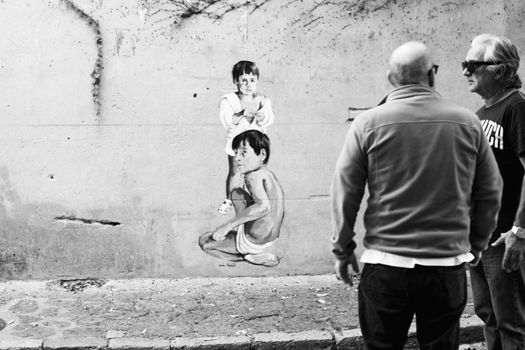 Photo: Jan Kroon / Pexels
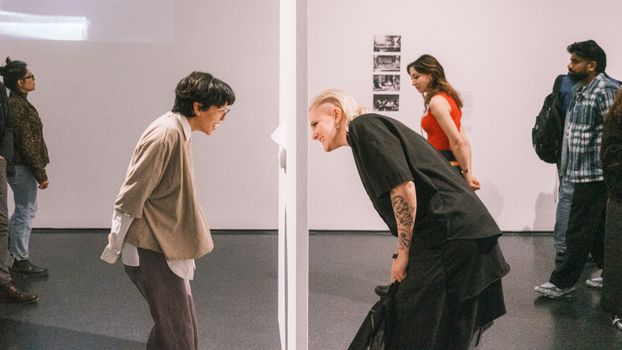 Photo: Alec Adriano / Pexels
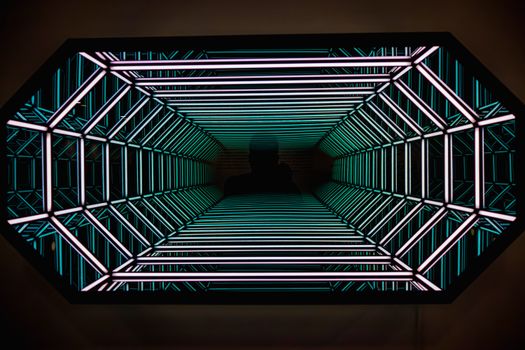 Photo: Carlos Misael Cruz López / Pexels