What is Contemporary Art? A Deep Dive for Modern Minds
what is contemporary art

What is Contemporary Art? A Deep Dive for Modern Minds

Explore the vibrant, challenging, and ever-evolving world of contemporary art and how it reflects our current society.

Start Your Journey

Key Takeaways

  • ✓ Contemporary art generally refers to art produced from the 1960s or 1970s to the present day.
  • ✓ It is characterized by its diversity, experimentation, and engagement with current social, political, and cultural issues.
  • ✓ Unlike historical art movements, contemporary art lacks a single, unifying style or ideology.
  • ✓ It often challenges traditional notions of art, beauty, and authorship, incorporating new media and unconventional materials.

How It Works

1
Define the Timeline

Understand that 'contemporary' typically means art from the latter half of the 20th century to today, distinguishing it from 'modern' art.

2
Recognize Key Characteristics

Look for diversity in medium, concept-driven works, engagement with social issues, and a tendency to challenge established norms.

3
Engage with the Context

Appreciate that contemporary art often requires understanding the artist's intent, the cultural context, and the dialogue it creates.

4
Embrace Subjectivity

Accept that personal interpretation and emotional response are central to experiencing contemporary art, as there's no single 'right' way to view it.

Unpacking the Definition: What is Contemporary Art?
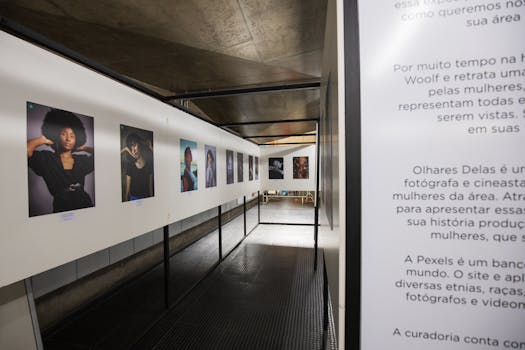
Stylish photography exhibition focusing on women's portraits in an art gallery setting. Photo: Matheus Bertelli / Pexels
When we ask "what is contemporary art?" we're not just asking for a simple date range; we're delving into a complex, multifaceted phenomenon that mirrors the complexities of our own time. Generally speaking, contemporary art refers to art made from the 1960s or 1970s right up to the present moment. This period is distinct from 'modern art,' which typically spans from the 1860s to the 1960s and encompasses movements like Impressionism, Cubism, and Abstract Expressionism. The shift from modern to contemporary is not a sharp line but a gradual evolution, marked by a profound change in artistic priorities and philosophical underpinnings. Modern art, while revolutionary in its own right, often sought to break from tradition and establish new aesthetic principles. Contemporary art, however, often builds upon, questions, or even subverts these modern foundations, engaging directly with the rapid social, political, and technological changes that define our globalized world. It's an art form that is inherently in dialogue with its present, reflecting current events, societal anxieties, and emerging cultural trends. This immediacy makes it incredibly relevant, yet sometimes challenging to categorize or even comprehend at first glance. It’s less about a singular style and more about an attitude, a questioning spirit, and an openness to new forms of expression. Understanding this fundamental difference is the first step in appreciating the vast landscape of contemporary artistic practice. It’s an art that is alive, breathing, and constantly redefining itself, making it one of the most exciting and dynamic fields within the broader world of arts. The very term 'contemporary' suggests an ongoing, evolving nature, making any fixed definition somewhat elusive. Instead, we look for common threads in its approach, its themes, and its engagement with the viewer. It's an art that often demands participation, thought, and a willingness to step outside conventional notions of beauty or artistic skill. This active engagement is a hallmark of the contemporary experience, inviting us to be not just spectators, but participants in the ongoing conversation that art facilitates. It's a mirror reflecting our shared human experience in the 21st century, often challenging us to confront uncomfortable truths or consider new perspectives. The sheer breadth of contemporary art means that it can be found in traditional galleries, but also in public spaces, digital realms, and even as ephemeral performances, blurring the lines between art and life itself. This expansive approach is a key characteristic that sets it apart from earlier art historical periods, emphasizing process and concept over purely aesthetic outcomes. It's an art that is as diverse as the artists who create it, each bringing their unique voice and perspective to the global stage. This diversity is not a weakness but its greatest strength, allowing for a rich tapestry of ideas and forms that continually push the boundaries of what art can be and do.

Key Characteristics and Defining Traits of Contemporary Art
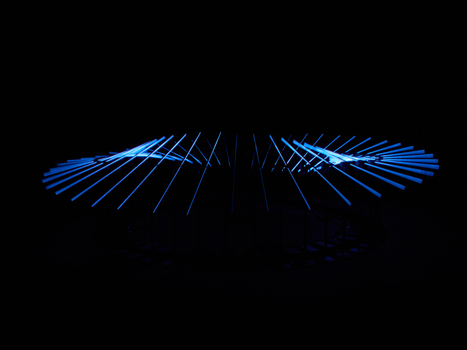
A captivating abstract blue light sculpture glows against a black background. Photo: Alexandr Meadow / Pexels
Delving deeper into what defines contemporary art reveals a fascinating array of characteristics that distinguish it from previous art movements. One of its most prominent features is its incredible diversity. Unlike historical periods often dominated by a particular style or school (e.g., Renaissance, Baroque, Impressionism), contemporary art embraces a multitude of styles, mediums, and approaches simultaneously. You might encounter a monumental sculpture, a video installation, a performance piece, a digital artwork, a traditional painting, or an assemblage made from found objects, all under the umbrella of contemporary art. This eclecticism reflects a postmodern sensibility that rejects grand narratives and universal truths, instead celebrating individual perspectives and localized experiences. Another crucial characteristic is its conceptual nature. While aesthetics and craftsmanship remain important for many artists, the idea or concept behind the artwork often takes precedence. Contemporary art frequently aims to provoke thought, challenge assumptions, and engage viewers intellectually rather than just visually. Artists often explore complex themes such as identity, globalization, environmentalism, social justice, technology, and the human condition. This focus on ideas means that understanding the artist's intent and the context of the work can be vital to appreciating its full meaning. It’s not uncommon for a contemporary artwork to require some intellectual unpacking, encouraging dialogue and critical thinking. Furthermore, contemporary art is often characterized by its experimental use of materials and techniques. Artists are constantly pushing boundaries, incorporating new technologies like virtual reality, artificial intelligence, and bio-art, or utilizing unconventional materials such as industrial waste, everyday objects, or even living organisms. This willingness to experiment reflects a desire to break free from traditional artistic constraints and to find new ways to express contemporary realities. The art world itself has become more globalized, with artists from diverse cultural backgrounds contributing to a rich international dialogue. This global perspective enriches contemporary art, introducing new narratives, aesthetics, and philosophical viewpoints that challenge Western-centric art historical canons. The role of the viewer also changes in contemporary art; often, the audience is invited to participate, interact, or even complete the artwork, blurring the lines between creator and observer. This interactive element underscores the idea that art is not a static object but an ongoing experience. Finally, contemporary art frequently engages with social and political commentary. It serves as a powerful medium for artists to critique societal structures, raise awareness about pressing issues, and advocate for change. This direct engagement with the world makes contemporary art a vital part of cultural discourse, sparking conversations and inspiring reflection on the challenges and triumphs of our time. It's an art that doesn't shy away from difficult subjects but confronts them head-on, offering perspectives that can be both unsettling and profoundly insightful.

Navigating the Contemporary Art Landscape: Movements and Influences
Colorful abstract artwork with swirling acrylic paint in vibrant hues, showcasing modern art expression. Photo: Merlin Lightpainting / Pexels
To truly grasp what is contemporary art, it’s helpful to understand some of the key movements and influences that have shaped it since the mid-20th century. While contemporary art resists neat categorization, certain trends and artistic dialogues have emerged. Pop Art, for instance, which arose in the 1950s and 60s, is often seen as a precursor, challenging the elitism of fine art by incorporating imagery from popular culture, advertising, and mass media. Artists like Andy Warhol and Roy Lichtenstein blurred the lines between high and low culture, a theme that continues to resonate in contemporary practice. Following Pop Art, Minimalism emerged, stripping art down to its essential forms and materials, often emphasizing the viewer's experience of the artwork in space. Artists like Donald Judd and Dan Flavin focused on industrial materials and geometric abstraction, paving the way for later conceptual explorations. Conceptual Art, which gained prominence in the late 1960s, prioritized the idea or concept over the aesthetic object itself. Artists like Sol LeWitt and Joseph Kosuth argued that the art resided in the thought process, not necessarily in the physical manifestation. This intellectual shift profoundly influenced subsequent generations of artists, making theoretical engagement a cornerstone of contemporary art. Postmodernism, a broader cultural and philosophical movement, also had a significant impact. It questioned universal truths, embraced pluralism, and often involved pastiche, irony, and the deconstruction of established narratives. This skepticism towards grand narratives allowed for a greater diversity of voices and perspectives in the art world. Performance Art, which emphasizes the artist's body and actions as the medium, became a powerful form of expression, challenging traditional notions of art objects and permanence. Artists like Marina Abramović have used performance to explore endurance, identity, and the relationship between artist and audience. Installation Art transformed exhibition spaces into immersive environments, creating experiences that surround the viewer. These large-scale, site-specific works often engage multiple senses and can be temporary, further challenging the idea of art as a static, collectible item. The rise of digital technology has also ushered in new forms like Digital Art, Video Art, and Net Art, allowing artists to explore virtual realities, interactive experiences, and the vast possibilities of the internet. These mediums reflect our increasingly digital lives and offer new avenues for artistic expression and dissemination. Furthermore, contemporary art has been deeply influenced by social and political movements, including feminism, civil rights, LGBTQ+ rights, and environmental activism. Artists often use their work to address these issues, giving voice to marginalized communities and sparking critical conversations. This engagement with social justice makes contemporary art a powerful tool for cultural commentary and change. The ongoing dialogue between these movements and influences creates a rich and dynamic tapestry that is the contemporary art landscape. It's a field where artists are constantly drawing from history, responding to the present, and imagining the future, making it an ever-evolving and endlessly fascinating subject of study and appreciation. For those interested in exploring further, visiting local contemporary art museums or galleries can provide invaluable first-hand experience with these diverse practices.

Tips for Appreciating and Engaging with Contemporary Art
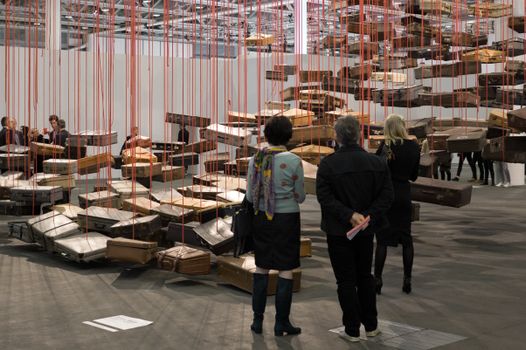
Visitors explore artistic installations of suspended luggage at a modern art exhibition. Photo: mali maeder / Pexels
Approaching contemporary art can sometimes feel daunting, especially if you're accustomed to more traditional forms. However, with a few tips, you can unlock a richer, more rewarding experience. First, let go of the need to 'like' everything or to find conventional beauty. Contemporary art often aims to provoke, challenge, or question rather than simply please. Your initial reaction, whether it's confusion, discomfort, or intrigue, is a valid starting point for engagement. Second, read the wall text and artist statements. These often provide crucial context, explaining the artist's intent, the materials used, and the themes explored. Understanding the 'why' behind an artwork can significantly enhance your appreciation and help you connect with its deeper meaning. Don't be afraid to ask questions or seek out additional information. Many galleries and museums offer guided tours, lectures, or online resources that can deepen your understanding. Third, consider the context. Where is the art displayed? How does it interact with its surroundings? Contemporary art is often site-specific, meaning its location is integral to its meaning. Think about the historical, social, and political backdrop against which the work was created. Fourth, embrace the subjective nature of contemporary art. There isn't always a single, definitive interpretation. Your personal experiences, perspectives, and emotions are valid lenses through which to view and understand the work. Engage in discussions with others; hearing different viewpoints can open up new avenues of thought and appreciation. Fifth, be open to new mediums and forms. Contemporary art frequently pushes boundaries, incorporating video, performance, digital elements, and unconventional materials. Don't dismiss a work simply because it doesn't fit your preconceived notions of what art should be. Allow yourself to be surprised and challenged. Finally, visit contemporary art spaces regularly. The more you expose yourself to diverse forms of contemporary art, the more comfortable and discerning you will become. Each encounter builds upon the last, helping you to develop your own critical framework and personal aesthetic. **Tips for Engagement:** * **Research the Artist:** Learn about their background, previous works, and artistic philosophy. * **Attend Artist Talks:** Hear directly from the creators about their process and intentions. * **Engage with Technology:** Explore augmented reality (AR) or virtual reality (VR) components if available. * **Journal Your Reactions:** Write down your thoughts and feelings about a piece; it helps process the experience. * **Discuss with Peers:** Share your interpretations and listen to others' perspectives. * **Consider the 'Why':** Always ask yourself why the artist chose a particular medium, subject, or approach. * **Don't Rush:** Take your time with each piece, allowing it to unfold and resonate with you.

Comparison

FeatureContemporary ArtModern ArtTraditional Art
Time Period1960s/70s - Present1860s - 1960sPre-1860s
Dominant FocusConcept, Social Commentary, ExperimentationBreaking Tradition, New AestheticsRepresentation, Skill, Established Forms
Key MediumsMixed Media, Installation, Digital, Performance, Painting, SculpturePainting, Sculpture, PhotographyPainting, Sculpture, Drawing
Viewer EngagementActive Interpretation, Dialogue, ParticipationVisual Appreciation, Emotional ResponseAdmiration of Skill, Storytelling
CharacteristicsDiverse, Global, Challenging, ContextualRevolutionary, Stylistic Movements, Avant-gardeFormal, Religious/Historical Themes, Patronage-driven

What Readers Say

"This article completely demystified what is contemporary art for me. I used to feel intimidated by it, but now I understand its purpose and how to approach it. It's truly eye-opening!"

Sarah J. · Brooklyn, NY

"As an aspiring artist, this deep dive into contemporary art's characteristics and influences was incredibly valuable. It provided the context I needed to appreciate the current art scene."

Mark T. · Los Angeles, CA

"I always struggled with understanding 'what is contemporary art.' After reading this, I visited a local gallery and felt a profound connection to a piece I previously would have dismissed. The tips really helped."

Elena R. · Chicago, IL

"A very comprehensive guide. While some parts were a bit academic for a casual reader, the breakdown of characteristics and the comparison table were excellent for clarifying the subject."

David L. · Austin, TX

"I'm a museum educator, and this article perfectly articulates the nuances of what is contemporary art. I'll be recommending it to my colleagues and visitors looking for a solid introduction."

Jessica M. · Seattle, WA

Frequently Asked Questions

What is the main difference between modern art and contemporary art?

The primary distinction lies in their time periods and core philosophies. Modern art generally refers to art from the 1860s to the 1960s, characterized by a break from tradition and the exploration of new aesthetic forms. Contemporary art, from the 1960s/70s to the present, is more focused on conceptual ideas, social commentary, and a vast diversity of mediums, often challenging the very definition of art itself.

Why does contemporary art often seem confusing or difficult to understand?

Contemporary art can be challenging because it often prioritizes concept over traditional aesthetics, uses unconventional materials, and engages with complex social or political issues. It frequently requires viewers to engage intellectually, consider context, and be open to diverse interpretations rather than just seeking beauty or realistic representation.

How can I start appreciating contemporary art if I'm new to it?

Begin by visiting local contemporary art museums or galleries and reading the accompanying wall texts and artist statements. Focus on understanding the artist's intent and the context of the work. Don't be afraid to ask questions, engage in discussions, and allow yourself to have a personal, subjective response without feeling the need to 'like' every piece.

Is contemporary art always expensive or only for the wealthy?

While some contemporary art pieces by renowned artists can command high prices, the contemporary art world is incredibly diverse. Many emerging artists create affordable works, and public installations or digital art can be accessible to everyone without cost. Appreciation for contemporary art is not tied to wealth, but to an open mind and willingness to engage.

How does contemporary art compare to street art or graffiti?

Street art and graffiti are often considered subcategories or influential forms within the broader umbrella of contemporary art. While street art shares contemporary art's engagement with social commentary, public spaces, and challenging traditional art institutions, contemporary art encompasses a much wider range of mediums, conceptual approaches, and institutional contexts, including gallery and museum work.

Who should engage with contemporary art?

Anyone with an open mind and a curiosity about the world should engage with contemporary art. It's particularly rewarding for those interested in current social issues, philosophical questions, new technologies, or simply exploring the boundaries of human creativity and expression. It offers a unique lens through which to understand our present moment.

Are there any 'rules' for what constitutes contemporary art?

One of the defining characteristics of contemporary art is its rejection of rigid rules and boundaries. While there are common themes and approaches, there's no single prescriptive definition. It's an art form that constantly questions and redefines itself, making its 'rules' fluid and subject to ongoing artistic exploration and critical discourse.

What are the future trends in contemporary art?

Future trends in contemporary art are likely to continue exploring the intersection of art and technology, with increasing use of AI, immersive virtual and augmented realities, and bio-art. Expect a continued focus on environmental sustainability, global interconnectedness, and identity politics, with artists pushing boundaries in participatory and socially engaged practices.

Ready to deepen your understanding of what is contemporary art? Explore local galleries, engage with diverse artists, and allow yourself to be challenged and inspired by the art of our time. The journey into contemporary art is an ongoing dialogue, and your perspective is a vital part of it.

Topics: what is contemporary artcontemporary art definitionmodern art vs contemporary artunderstanding contemporary artcharacteristics of contemporary art
Leo List

DK Escorts LU Escorts AT Escorts SE Escorts FI Escorts CH Escorts DE Escorts HR Escorts IE Escorts GR Escorts CZ Escorts NO Escorts BE Escorts FR Escorts SI Escorts IL Escorts NL Escorts PL Escorts HU Escorts ES Escorts IT Escorts PT Escorts SK Escorts RO Escorts ZA Escorts UY Escorts US Escorts UK Escorts NZ Escorts AU Escorts
Brampton weed
Adultwork EstrelaBet Vai de Bet R7 Bet Betão Galera Bet Rainbet Bet9ja Shop SportyBet BetKing Sisal Loto Foot Hollywoodbets YesPlay Odibets RushBet Jugabet BetWarrior BetCity MSport betPawa Fortebet