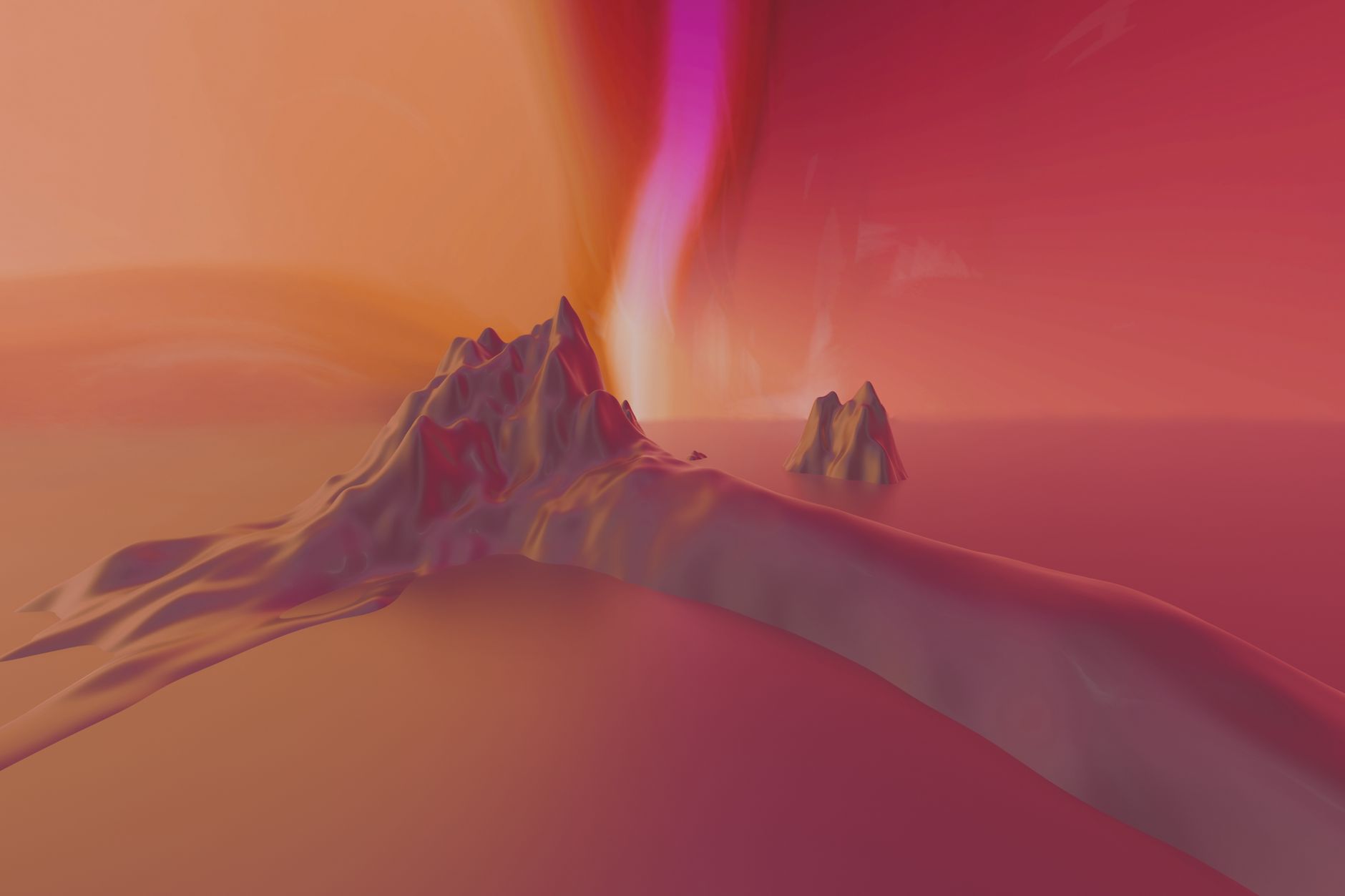
Unlocking the Meaning of Surrealism in Art
Explore the subconscious depths and revolutionary spirit that defined this transformative artistic and literary movement.
Begin Your JourneyKey Takeaways
- ✓ Surrealism emerged in the 1920s from Dadaism in Paris.
- ✓ It sought to unleash the creative potential of the unconscious mind.
- ✓ Key figures include André Breton, Salvador Dalí, and René Magritte.
- ✓ Psychic automatism was a core technique, aiming to bypass rational thought.
How It Works
Surrealism wasn't just an art style; it was a philosophical movement rooted in post-WWI disillusionment and Freudian psychoanalysis. Its birth from Dadaism signaled a shift from nihilistic protest to constructive exploration of the mind.
The central tenet of Surrealism is the liberation of the subconscious. Artists aimed to tap into dreams, desires, and repressed thoughts, believing these held a purer form of reality than the logical, waking world.
Surrealists employed methods like automatism (drawing or writing without conscious control), frottage (rubbing), and collage to create unexpected juxtapositions. These techniques were designed to bypass the censor of the conscious mind.
Surrealist works are often rich in personal and universal symbolism, though interpretations can vary widely. The power lies in the emotional and intellectual disquiet they provoke, challenging viewers to look beyond surface appearances.
The Birth of a Movement: Origins and Core Tenets of Surrealism
 Photo: Axel Grollemund / Pexels
Key Figures and Their Diverse Approaches to Surrealist Expression
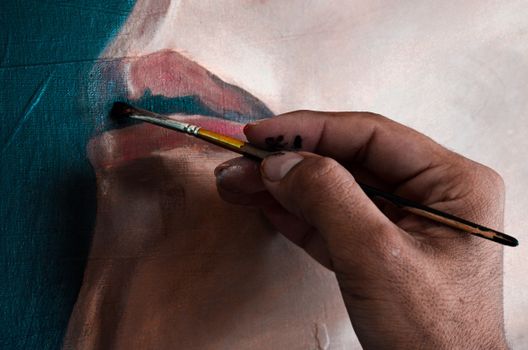 Photo: Lean Leta / Pexels
Techniques and Themes: Unlocking the Subconscious Canvas
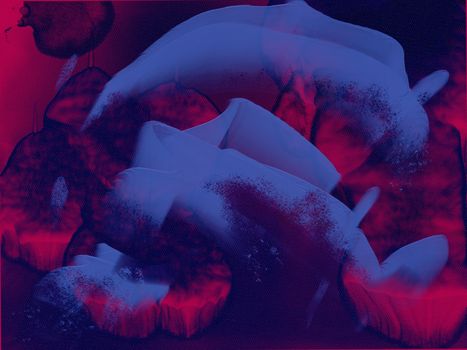 Photo: Steve A Johnson / Pexels
Beyond the Canvas: The Enduring Legacy and Impact of Surrealism
Comparison
| Aspect | Surrealism | Dadaism | Cubism |
|---|---|---|---|
| Primary Goal | Liberate subconscious, create surreality | Anti-art, protest societal absurdity | Deconstruct objects into geometric forms |
| Key Influence | Freudian psychoanalysis | WWI disillusionment, nihilism | African art, Cézanne |
| Artistic Style | Dreamlike, hyper-realistic, automatic | Absurdist, collage, readymades | Geometric, fragmented, multiple perspectives |
| Emphasis On | Unconscious, dreams, irrational | Chance, illogical, anti-establishment | Form, structure, objective reality |
| Emotional Tone | Mysterious, unsettling, provocative | Sarcastic, chaotic, anarchic | Analytical, intellectual, detached |
| Political Stance | Revolutionary, anti-bourgeois | Anti-war, anti-art, anti-bourgeois | Apolitical, focus on aesthetics |
What Readers Say
"This article masterfully explains the meaning of surrealism in art, going beyond mere definitions to truly capture its philosophical depth. I finally understand the nuances behind the bizarre imagery."
Eleanor Vance · Brooklyn, NY"As an art student, this breakdown of Surrealist techniques and key figures is invaluable. It’s incredibly helpful for contextualizing the movement and appreciating its lasting impact on modern art."
Marcus Chen · Los Angeles, CA"I always found Surrealism fascinating but intimidating. This article made the meaning of surrealism in art accessible and engaging, giving me a solid foundation to explore more works with confidence."
Sophia Rodriguez · Austin, TX"A very comprehensive guide, though I would have loved even more examples of specific lesser-known artworks to illustrate the techniques. Still, an excellent resource for understanding the core concepts."
David Miller · Chicago, IL"From a design perspective, understanding the meaning of surrealism in art provides so much inspiration. The discussion of juxtaposition and challenging perception is directly applicable to creative work."
Lena Petrova · Seattle, WAFrequently Asked Questions
What is the primary meaning of surrealism in art?
The primary meaning of surrealism in art is to liberate the creative potential of the unconscious mind, exploring dreams, desires, and irrational thoughts to achieve a 'surreality' – a fusion of dream and reality. It aimed to challenge rational thought and societal norms through art.
Is Surrealism just about painting strange things?
No, Surrealism is far more than just depicting strange or bizarre imagery. It's a philosophical and intellectual movement rooted in Freudian psychoanalysis, seeking to tap into the subconscious through specific techniques like psychic automatism, challenging our understanding of reality itself.
How can I start to interpret a Surrealist painting?
To interpret a Surrealist painting, focus less on literal meaning and more on the emotions, symbols, and juxtapositions present. Consider what dreams or unconscious thoughts might be represented, and allow your own subconscious to engage with the work without seeking a single 'correct' answer.
Why is Surrealism considered so influential in art history?
Surrealism is influential because it fundamentally shifted the focus of art from external reality to the internal world of the psyche. It introduced groundbreaking techniques, challenged traditional aesthetics, and profoundly impacted not only visual arts but also literature, film, and popular culture, fostering a new appreciation for the irrational and imaginative.
How does Surrealism differ from Dadaism, its predecessor?
While both Dadaism and Surrealism rejected rationalism and societal norms, Dadaism was largely nihilistic and destructive, protesting through absurdity. Surrealism, emerging from Dada, aimed for a constructive liberation of the unconscious, seeking to create a new, 'surreal' reality rather than simply dismantling the old.
Who should learn about the meaning of surrealism in art?
Anyone interested in art history, psychology, philosophy, or creative expression will benefit from understanding Surrealism. It's particularly relevant for artists, writers, filmmakers, and designers seeking to explore unconventional narratives, symbolism, and the depths of human consciousness in their work.
Are there any risks in misinterpreting Surrealist art?
The 'risk' in interpreting Surrealist art lies not in misinterpretation, as there's often no single correct meaning, but in approaching it with purely rational expectations. The intent is often to provoke thought and feeling, so engaging with an open mind and embracing ambiguity is key to appreciating its power.
What future trends might Surrealism influence in digital art?
In digital art, Surrealism could influence trends like immersive virtual reality experiences that mimic dreamscapes, AI-generated art exploring subconscious themes, and interactive installations that challenge perception and reality. Its principles of juxtaposition and the uncanny are highly adaptable to new digital mediums.
Unlock the full meaning of surrealism in art and let its revolutionary spirit inspire your perspective. Dive deeper into the works of its masters and discover how the unconscious continues to shape creativity and perception in our world today.