✓ Personal connection is more important than investment potential for new collectors.
✓ Research and education are crucial steps.
✓ Building relationships with gallerists and artists is highly beneficial.
How It Works
1
Define Your Aesthetic & Budget
Before buying, understand what art truly resonates with you. Establish a realistic budget to guide your initial purchases.
2
Educate Yourself & Explore
Visit museums, galleries, and art fairs. Learn about different movements, mediums, and artists to refine your taste and knowledge.
3
Connect with the Art World
Engage with gallerists, artists, and other collectors. These relationships provide invaluable insights and opportunities.
4
Make Your First Acquisition
Trust your instincts, but also do due diligence on the artwork and artist. Ensure proper documentation and framing for your new piece.
Demystifying the Art Market: Your First Steps to Collecting
Photo: Beyzaa Yurtkuran / Pexels
The world of art collecting can seem intimidating, shrouded in mystique and often perceived as an exclusive club for the ultra-wealthy. However, this perception is far from the truth. In reality, starting an art collection is an incredibly personal and accessible journey that anyone can embark on, regardless of their budget or prior experience. The key is to approach it with curiosity, a willingness to learn, and a passion for aesthetics. Your first steps should focus on demystifying the art market and understanding that art is not just a commodity, but a powerful form of expression, history, and culture. It’s about discovering what truly moves you, what you want to live with, and what stories you want to tell through the pieces you acquire.
Begin by immersing yourself in the art world without the pressure to buy. Visit local museums, university galleries, and independent art spaces. Attend free opening receptions at commercial galleries. These experiences are invaluable for developing your eye, understanding different artistic styles, and identifying what resonates with your personal taste. Don't feel obligated to understand every piece; instead, focus on how certain artworks make you feel. Do you gravitate towards vibrant abstracts, serene landscapes, provocative sculptures, or intricate photography? This exploration phase is crucial for building your aesthetic compass. It's also an excellent time to start reading art publications, blogs, and artist interviews. Websites like Artsy, Artnet, and even auction house blogs offer a wealth of information about current trends, historical contexts, and emerging artists. Remember, the goal isn't to become an art historian overnight, but to cultivate an informed appreciation that will guide your future choices. Understanding art history can deepen your connection to the pieces you encounter.
Another vital component of your initial journey is to define your budget. Art can range from a few hundred dollars to millions, so having a clear financial framework is essential. Don't let a modest budget deter you; many emerging artists offer incredible works at accessible price points. Consider prints, limited editions, or smaller-scale original works. The value of a piece isn't solely determined by its price tag, but by its quality, significance, and your personal connection to it. Be realistic about what you can comfortably spend without stretching yourself thin. This budget will help narrow down your options and prevent impulse buys. It's also wise to set aside a small contingency for framing, shipping, and insurance, as these can add to the overall cost. Think of your budget not as a limitation, but as a guide that encourages thoughtful and strategic collecting. This early stage is about laying a solid foundation for a collection that brings you joy and reflects your evolving appreciation for art.
Cultivating Your Eye: Research, Galleries, and Building Relationships
Photo: HAMZA YAICH / Pexels
Once you've begun to define your aesthetic preferences and established a budget, the next phase in how to start an art collection involves deeper immersion and engagement with the art world. This is where you move from passive observation to active research and relationship-building. Cultivating your eye means more than just knowing what you like; it means understanding why you like it, recognizing quality, and appreciating the nuances of different artistic practices. This refined discernment comes from persistent exposure and education. Attend as many art fairs as possible, from major international events like Art Basel to local community art festivals. Art fairs are fantastic melting pots where you can see a vast array of works from various galleries and artists in one place. They offer a unique opportunity to compare styles, speak directly with gallerists, and get a sense of market trends and pricing across different segments.
Visiting commercial art galleries regularly is another indispensable step. Don't be shy or intimidated; gallerists are often passionate about their artists and happy to share information with genuine enthusiasts, even if you're not ready to buy immediately. Think of these visits as educational excursions. Ask questions: about the artist's background, their process, the inspiration behind a piece, and its provenance (history of ownership). The more you engage, the more you learn, and the more comfortable you'll become navigating these spaces. Building a rapport with gallerists can be incredibly beneficial; they can keep you informed about new exhibitions, recommend artists aligned with your taste, and even offer advice on starting your collection. They are gatekeepers and educators, often with decades of experience and deep knowledge of the art market.
Beyond galleries and fairs, consider expanding your research into online platforms. Websites like Saatchi Art, Artfinder, and even Instagram have become powerful tools for discovering emerging artists worldwide. You can follow artists directly, see their latest works, and often purchase pieces directly from their studios or through online galleries. While the convenience is undeniable, always exercise due diligence when buying online, especially from unknown sources. Verify the artist's credentials, request high-resolution images, and ensure there's a clear return policy. Networking with other collectors, whether through online forums, local art groups, or social events, can also provide fresh perspectives and valuable insights. Sharing experiences and learning from those who have been collecting for years can accelerate your own journey and expose you to new facets of the art world you might not have discovered otherwise. This active engagement transforms you from a spectator into an informed participant in the vibrant ecosystem of art.
Making Thoughtful Acquisitions: From Due Diligence to Display
Photo: Pavel Danilyuk / Pexels
The moment arrives when you find a piece that speaks to you, aligning with your aesthetic, budget, and evolving understanding of art. This is an exciting milestone in how to start an art collection, but it's crucial to approach the acquisition process with thoughtfulness and due diligence. Never rush into a purchase, especially when it's a significant investment. Take your time to consider the artwork, its context, and its fit within your burgeoning collection. Ask for a condition report, especially for older or more delicate pieces. This document details the physical state of the artwork, including any existing damage or restoration, providing transparency and protecting your investment. For contemporary works, inquire about the artist's curriculum vitae (CV) to understand their exhibition history, education, and any awards or critical recognition they've received. A strong CV often indicates a serious, developing artist whose work may appreciate in value.
Provenance is another critical factor, particularly for works by established artists. This refers to the documented history of ownership of an artwork, tracing it from its creation to the present day. Good provenance assures authenticity and can significantly impact a piece's value. Reputable galleries and auction houses will always provide detailed provenance. For works by living artists, direct purchase from the artist or their primary gallery ensures clear provenance. When considering a purchase, don't hesitate to ask about the framing. Proper framing is not just about aesthetics; it's essential for the long-term preservation of the artwork. Archival materials, UV-protective glass, and appropriate mounting techniques can prevent damage from light, humidity, and physical handling. Discuss these details with the gallery or artist; they can often recommend or arrange professional framing services. The importance of art conservation cannot be overstated for the longevity of your collection.
Once acquired, displaying your art thoughtfully is the final step in bringing a piece into your collection. Consider lighting, wall space, and how the artwork interacts with its surroundings. Good lighting can enhance the visual impact of a piece, while poor lighting can cast shadows or even damage it over time. Ensure the display location is free from direct sunlight, extreme temperature fluctuations, and high humidity, which can all degrade artwork. Finally, remember to properly document your collection. Keep records of purchase receipts, condition reports, provenance, artist statements, and any related correspondence. Take high-quality photographs of each piece. This documentation is invaluable for insurance purposes, future appraisals, and for sharing the story of your collection with others. By approaching acquisitions with care and displaying your art with consideration, you ensure that your collection not only grows but thrives.
Common Pitfalls and Smart Strategies for Art Collectors
Photo: https://kaboompics.com/ / Pexels
As you navigate the exciting world of art collecting, it's wise to be aware of common pitfalls and to employ smart strategies that will enhance your journey and protect your investments. Avoiding these missteps can save you time, money, and potential disappointment.
**Common Pitfalls to Avoid:**
* **Buying for Investment Only:** While art can appreciate, chasing only 'hot' artists or trends solely for financial gain often leads to disappointment. Buy what you love; true value comes from personal connection.
* **Impulse Purchases:** Never buy an artwork on a whim, especially a significant one. Take time to consider it, sleep on it, and ensure it truly resonates with you and fits your collection's direction.
* **Ignoring Provenance and Condition:** Overlooking the history of ownership or the physical state of an artwork can lead to authenticity issues or costly restoration down the line.
* **Neglecting Insurance:** Art is valuable. Failing to properly insure your collection against damage, theft, or loss is a significant risk.
* **Overspending:** Sticking to your budget is paramount. Don't let the allure of a piece lead you into financial strain. There will always be more art.
* **Lack of Documentation:** Losing track of receipts, artist information, or condition reports can devalue your pieces and complicate future sales or appraisals.
**Smart Strategies for Success:**
* **Educate Continuously:** The art world is dynamic. Stay curious, read, visit, and learn constantly. Your taste and understanding will evolve.
* **Build Relationships:** Foster genuine connections with gallerists, artists, and other collectors. They are invaluable resources for advice, opportunities, and insights.
* **Start Small and Local:** Begin with smaller, more affordable works from emerging artists or local galleries. This allows you to gain experience without huge financial risk.
* **Diversify Your Collection:** Don't limit yourself to one medium or style. Explore photography, sculpture, prints, and different movements to create a richer, more engaging collection.
* **Live with the Art:** Before committing to a major purchase, if possible, ask the gallery if you can try the piece in your home for a few days. This helps confirm it's the right fit.
* **Professional Framing and Installation:** Invest in museum-quality framing and proper installation. This protects your art and enhances its presentation.
* **Regular Appraisal and Inventory:** Periodically have your collection appraised by a professional to ensure your insurance coverage is adequate and to track its value. Maintain a detailed inventory.
By being mindful of these pitfalls and proactively implementing smart strategies, you can ensure that your journey as an art collector is not only rewarding but also well-managed and sustainable. The goal is to build a collection that reflects your passion, enriches your life, and stands the test of time.
Comparison
Feature
Emerging Artist (Direct/Gallery)
Established Artist (Gallery/Auction)
Online Art Marketplaces
Price Range
$100 - $5,000+
$5,000 - $1,000,000+
$50 - $10,000+
Investment Potential
Higher risk, potentially high reward
More stable, established appreciation
Variable, depends on artist
Direct Artist Connection
✓
✗
✓ (often)
Provenance & Authenticity
Clear, direct from artist/primary gallery
Well-documented, often extensive
Varies, requires buyer due diligence
Discovery & Access
Excellent for new talent, local scene
Access to blue-chip works, historical pieces
Vast global selection, convenience
What Readers Say
★★★★★
"This guide completely changed my perspective on how to start an art collection. I used to think it was just for the wealthy, but the tips on finding emerging artists and setting a budget made it feel incredibly accessible. I just bought my first piece!"
Sarah J. · Brooklyn, NY
★★★★★
"As a new collector, I felt overwhelmed by the art market. This article broke down the steps clearly, especially the advice on visiting galleries and building relationships. It's truly a comprehensive resource for starting an art collection."
Mark D. · Los Angeles, CA
★★★★★
"Following the advice in this guide, I've not only started my art collection but also feel much more confident in my choices. The section on due diligence helped me avoid a potential pitfall, leading to a truly rewarding acquisition."
Emily R. · Chicago, IL
★★★★★
"The insights on cultivating your eye and the importance of continuous education were particularly helpful. While some aspects of the art market still feel complex, this guide provided an excellent framework for how to start an art collection with a solid foundation."
David L. · Miami, FL
★★★★★
"I was looking for a guide on how to start an art collection that wasn't just about investment. This article delivered, emphasizing personal connection and the joy of discovery. It's inspired me to visit more local artist studios."
Jessica M. · Austin, TX
Frequently Asked Questions
What's the absolute first step to start an art collection?
The very first step is to define your personal taste and establish a realistic budget. Spend time visiting museums and galleries to see what styles, mediums, and artists truly resonate with you, and decide how much you're comfortable spending on your first few pieces.
Do I need a large budget to start collecting art?
Absolutely not. While some art is very expensive, you can start an art collection with a modest budget. Look for prints, limited editions, works by emerging artists, or pieces from local art fairs. The most important thing is to buy what you love.
How can I educate myself about art without a formal background?
Engage actively with the art world: visit museums, university galleries, and commercial galleries regularly. Read art blogs, magazines, and artist interviews. Attend free exhibition openings and art fairs. Don't be afraid to ask gallerists and artists questions; they are often eager to share their knowledge.
Is buying art a good investment?
Art can be a good investment, but it should not be the primary motivation for starting an art collection, especially for beginners. Buy art because you love it and want to live with it. Any financial appreciation should be considered a bonus, as the art market can be unpredictable.
How do online art marketplaces compare to traditional galleries?
Online marketplaces offer convenience, a vast selection, and often more accessible price points, especially for emerging artists. Traditional galleries provide a curated experience, expert advice, and a higher degree of trust regarding authenticity and provenance. Both have their place in building a diverse collection.
Who should consider starting an art collection?
Anyone with an appreciation for aesthetics, a desire to engage with culture, and an interest in expressing their personality through their living or working space should consider starting an art collection. It's a journey of discovery and personal enrichment.
What are the risks involved in buying art?
Risks include purchasing inauthentic art, overpaying, damage during transport or display, and art not appreciating in value as expected. Mitigate these by doing thorough due diligence, buying from reputable sources, insuring your collection, and prioritizing personal enjoyment over investment.
What are the future trends in art collecting?
Future trends include continued growth in digital art (NFTs), increased focus on diversity and representation in artists and themes, a strong emphasis on sustainability in art creation and display, and the blending of online and in-person viewing experiences for collectors.
Ready to transform your space and enrich your life with art? Use this comprehensive guide to confidently embark on your journey and discover how to start an art collection that truly reflects you. Your first masterpiece awaits!

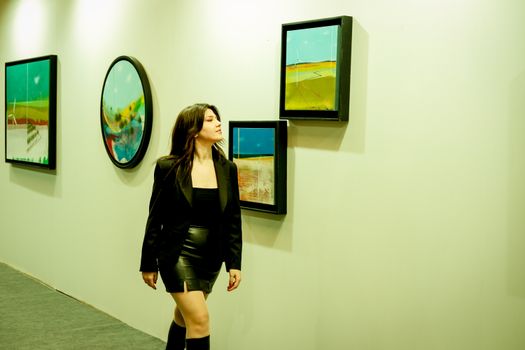 Photo: Beyzaa Yurtkuran / Pexels
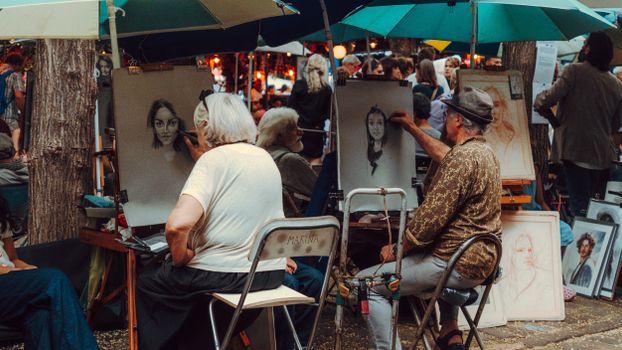 Photo: HAMZA YAICH / Pexels
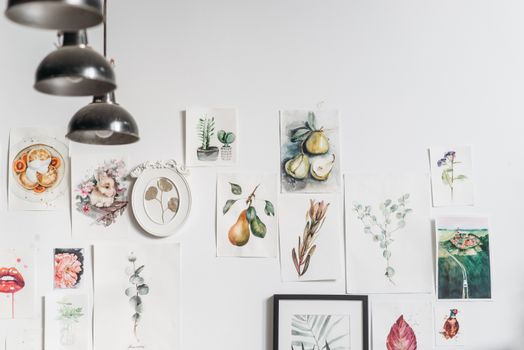 Photo: Pavel Danilyuk / Pexels
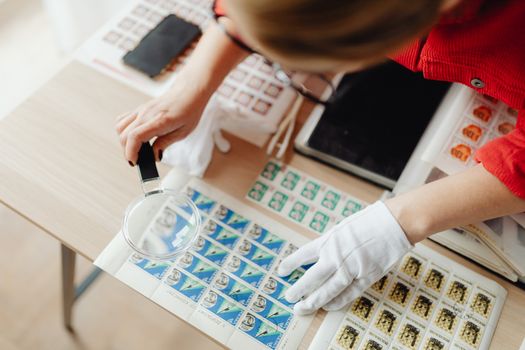 Photo: https://kaboompics.com/ / Pexels