How to Clean Oil Paintings at Home: A Comprehensive Guide

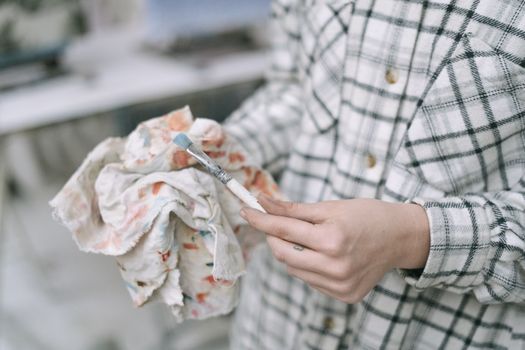
Close-up image of an artist in plaid shirt cleaning a paintbrush with a colorful clothPhoto: Ivan S / Pexels

How to Clean Oil Paintings at Home: A Comprehensive Guide

Unlock the secrets to safely restoring the brilliance of your treasured oil paintings without professional help.

Start Cleaning Today

Key Takeaways

  • ✓ Always test cleaning solutions on an inconspicuous area first.
  • ✓ Avoid harsh chemicals; gentle methods are always preferred.
  • ✓ Dusting regularly prevents deeper dirt accumulation.
  • ✓ Professional restoration is recommended for significant damage or valuable pieces.

How It Works

1
Assess the Painting's Condition

Before starting, carefully examine the painting for cracks, flaking paint, or other damage. This initial assessment helps determine the appropriate cleaning approach.

2
Gather Your Gentle Tools

Assemble soft brushes, cotton swabs, distilled water, and a mild, art-safe cleaning solution if needed. Proper tools are crucial for a delicate cleaning process.

3
Perform a Spot Test

Apply your chosen cleaning method to a tiny, hidden corner of the painting. This critical step ensures no adverse reactions occur before proceeding to the main areas.

4
Clean Methodically and Gently

Work in small sections, using light, circular motions and changing cleaning materials frequently. Patience and a light touch are key to effective and safe cleaning.

Understanding the Delicate Nature of Oil Paintings and Dirt Accumulation

Oil paintings are enduring works of art, celebrated for their rich textures, vibrant colors, and depth. However, their beauty is often masked by years of accumulated dirt, dust, grime, and even nicotine stains. Understanding the composition of an oil painting is the first crucial step before attempting any cleaning. An oil painting typically consists of several layers: a support (canvas, wood panel, etc.), a ground layer, the paint layers themselves, and often a final varnish layer. Each of these layers can be sensitive to different cleaning agents and techniques. Dust, the most common culprit, is composed of microscopic particles of skin, fibers, pollution, and other airborne debris. Over time, this dust can settle into the paint's texture, dulling its appearance. More stubborn grime might include cooking grease, smoke residue, or even insect detritus, all of which can chemically bond with the varnish or paint surface, making removal challenging without proper knowledge. The varnish layer, applied to protect the paint, can also yellow or darken over decades, further obscuring the original colors and details. This yellowing is a natural aging process, but it can also be exacerbated by environmental factors like direct sunlight or high humidity. Before you even consider how to clean oil paintings at home, it's vital to assess the type of dirt and the condition of the painting itself. Is it merely dusty, or does it have a thick layer of grime? Are there any visible cracks, flaking paint, or areas where the canvas is loose? These initial observations will dictate the gentleness and type of cleaning you can safely undertake. Ignoring these signs can lead to irreversible damage. For instance, attempting to clean a painting with flaking paint will almost certainly dislodge more paint, causing further deterioration. Recognizing these nuances empowers you to make informed decisions and prevents common pitfalls that can harm your cherished artwork. Always err on the side of caution; a less aggressive approach is always better than one that risks the integrity of the painting. For more general art care tips, consider exploring resources on preserving your art collection.

Essential Tools and Preparations for Safe Oil Painting Cleaning

Embarking on the journey of how to clean oil paintings at home requires more than just good intentions; it demands the right tools and meticulous preparation. The goal is always to clean effectively without causing any harm to the delicate artwork. Begin by gathering a clean, soft-bristled brush, such as a natural hair artist's brush or a very soft cosmetic brush. Avoid anything abrasive. You will also need a supply of soft, lint-free cloths or cotton swabs. Microfiber cloths are excellent for dusting, while cotton swabs are ideal for targeted, gentle cleaning. Distilled water is a non-negotiable item. Tap water contains minerals and chemicals that can leave residues or even react adversely with the painting's surface over time. For more stubborn grime, a very mild, pH-neutral soap specifically formulated for art conservation can be considered, but only after extensive research and testing. Never use household cleaners, detergents, or solvents like Windex, ammonia, or alcohol-based products, as these are highly damaging to oil paint and varnish. A clean, well-lit workspace is also paramount. Ensure you have a stable surface to place the painting on, preferably covered with a soft, clean towel to prevent scratches. Good lighting will help you clearly see dirt and monitor your progress without missing any spots or accidentally over-cleaning. Before any cleaning begins, ensure the painting is completely dry and has been in a stable environment for some time. Drastic temperature or humidity changes just before cleaning can make the paint layers more vulnerable. The preparation phase also involves a critical preliminary step: a thorough visual inspection. Use a magnifying glass if necessary to identify any existing damage, such as craquelure (fine cracks), paint loss, or previous repairs. These areas must be avoided or treated with extreme caution, as any pressure or moisture could exacerbate the damage. If you notice any significant flaking or structural issues, it is strongly advised to consult a professional conservator rather than attempting to clean it yourself. Your preparation sets the stage for a successful and safe cleaning process, protecting your valuable artwork from unintended harm. Remember, patience and a methodical approach are your best allies in this endeavor.

Step-by-Step Guide to Gently Removing Surface Dirt and Grime

Once you've prepared your workspace and gathered your tools, you can begin the actual cleaning process. Remember, the key is gentleness and patience. Always start with the least invasive method: dusting. **1. Gentle Dusting:** Lay the painting flat on your prepared, soft surface. Using your soft-bristled brush, gently sweep across the surface of the painting, moving from top to bottom. Do not press down; simply allow the bristles to lightly skim the surface, lifting loose dust. For textured areas, a soft, dry microfiber cloth can also be gently dabbed, rather than rubbed, to lift dust. Change your cloth or brush frequently to avoid redistributing dirt. This step is crucial for removing superficial dust and preventing it from becoming embedded during later stages. **2. Tackling Light Grime with Distilled Water (Spot Test First!):** For slightly more stubborn but still superficial grime, distilled water can be effective. Dip a clean cotton swab into distilled water, then gently blot it on a clean towel to remove excess moisture. The swab should be damp, not dripping wet. Choose an inconspicuous area, preferably on the edge or a dark corner where any potential reaction would be less visible, and very gently roll the damp swab over a tiny section. Observe closely for any color transfer onto the swab, changes in the paint's texture, or dulling of the surface. If you see any paint coming off or any adverse reaction, stop immediately. If the test is successful, proceed with extreme caution. Work in small, circular motions, cleaning a small area at a time. Use a fresh cotton swab for each new section, or when the swab becomes discolored. Do not scrub or apply pressure. After cleaning a section, immediately follow with a dry, clean cotton swab or lint-free cloth to gently blot away any remaining moisture. This prevents watermarks and ensures the surface dries evenly. **3. Addressing More Stubborn Grime (Professional Consultation Recommended):** For grime that doesn't yield to distilled water, such as significant yellowing or thick layers of old dirt, the use of specialized art cleaning solutions might be considered. However, this is where the line between DIY and professional conservation becomes very thin. These solutions, often solvent-based, are designed to dissolve old varnish or deeply embedded grime without harming the paint layers. The problem is that without expert knowledge of the painting's materials, age, and previous treatments, using such solutions can be extremely risky. They can inadvertently remove original paint, damage sensitive pigments, or leave irreversible streaks. If you are determined to proceed, thoroughly research art conservation suppliers and their products, and conduct an even more rigorous spot test, possibly over several days, to observe any delayed reactions. Always prioritize the painting's integrity. For valuable or antique pieces, this stage absolutely warrants a consultation with a professional conservator. They possess the expertise and specialized tools to safely address challenging cleaning needs, often using micro-suction or tailored chemical solutions. For further insights on general art care, visit art preservation guidelines. Remember, the goal is to enhance the painting's appearance, not to risk its historical or artistic value.

Preventative Care and Common Mistakes to Avoid When Cleaning Oil Paintings

Preventative care is arguably the most effective and safest approach to maintaining the beauty of your oil paintings. By implementing a few simple habits, you can significantly reduce the need for intensive cleaning and prolong the life of your artwork. Regularly dust your oil paintings with a soft, dry, lint-free cloth or a very soft-bristled brush. This should be done gently, perhaps once a month or every few weeks, depending on the dust levels in your home. Avoid hanging paintings in direct sunlight, which can cause pigments to fade and varnish to yellow prematurely. Similarly, keep them away from heat sources like radiators or fireplaces, and areas with high humidity, such as bathrooms, which can lead to cracking and mold growth. Stable temperature and humidity levels (ideally 68-72°F and 45-55% relative humidity) are crucial for art preservation. When moving or handling paintings, always hold them by the frame or support, never by the canvas itself, to avoid creasing or damaging the paint surface. Now, let's address some common and potentially disastrous mistakes to avoid when attempting to clean oil paintings at home: * **Using Household Cleaners:** This is perhaps the most critical mistake. Products like Windex, furniture polish, dish soap, or all-purpose cleaners contain harsh chemicals, abrasives, and solvents that can strip varnish, dissolve paint, or leave indelible residues. They are not formulated for delicate artwork. * **Rubbing Too Hard:** Oil paint, especially older paint, can be brittle. Excessive pressure can abrade the surface, remove paint, or push dirt deeper into cracks. * **Using Abrasive Materials:** Sponges, paper towels, or rough cloths can scratch the delicate surface of a painting. Stick to soft cotton or microfiber. * **Ignoring the Spot Test:** Skipping the initial spot test on an inconspicuous area is a recipe for disaster. What works on one painting might be detrimental to another due to differences in age, materials, or previous treatments. * **Over-Wetting the Surface:** Too much moisture can seep into cracks, swell the canvas, or even loosen paint layers. Swabs should be damp, not wet, and immediately followed by drying. * **Not Changing Cleaning Materials:** Reusing dirty cotton swabs or cloths simply redeposits grime onto the painting. Use fresh materials frequently. * **Cleaning a Damaged Painting:** If a painting has flaking paint, significant cracks, or structural issues, attempting to clean it at home will almost certainly worsen the damage. These pieces require professional intervention. * **Attempting Varnish Removal:** Removing old, yellowed varnish is a highly specialized process that requires specific solvents and expert knowledge. This should never be attempted by an amateur, as you risk stripping the paint layers beneath. By understanding these pitfalls and committing to preventative care, you can ensure your oil paintings remain beautiful and intact for generations to come.

Comparison

Cleaning MethodBest for Light DustBest for Light GrimeBest for Heavy Grime/Varnish
Dry Brushing/Microfiber
Distilled Water (Damp Swab)
Specialized Art Cleaner✗ (Requires expertise)
Professional Conservator

What Our Readers Say

5 ★★★★★

"I was so nervous to clean my grandmother's old oil painting, but this guide on how to clean oil paintings at home made it feel approachable. The distilled water method worked wonders on the light grime, and I appreciate the emphasis on gentleness."

5 ★★★★★

"The step-by-step instructions were incredibly clear. I used the soft brush method to remove years of dust from several pieces, and they look so much brighter now. The warnings about household cleaners were particularly helpful."

5 ★★★★★

"Following this article's advice, I carefully cleaned a small landscape painting that had developed a dull film. The colors are noticeably more vibrant, and the details are clearer than I've seen in years. It truly brought the painting back to life."

4 ★★★★☆

"This guide provides excellent foundational knowledge. While I still felt some hesitation about tackling really stubborn grime, it gave me the confidence to handle the regular dusting and light cleaning of my collection. I'll definitely call a pro for the tougher jobs."

5 ★★★★★

"As an amateur artist, understanding the delicate nature of oil paint is crucial. This article not only taught me how to clean oil paintings at home but also reinforced the importance of preventative care, which is invaluable for my own creations."

Frequently Asked Questions

What is the safest way to remove dust from an oil painting?
The safest way to remove dust is by gently sweeping the surface with a very soft-bristled brush (like a clean, natural hair artist's brush or a soft cosmetic brush) or lightly dabbing with a clean, dry microfiber cloth. Always use a light touch and avoid applying pressure to prevent scratching or damaging the paint layers.
Can I use Windex or other household cleaners to clean my oil painting?
Absolutely not. Household cleaners like Windex, furniture polish, or dish soap contain harsh chemicals, ammonia, or abrasives that can irreversibly damage the paint, strip the varnish, or leave permanent streaks on your oil painting. Always avoid them.
How do I test a cleaning solution before applying it to the entire painting?
To test a cleaning solution, dip a clean cotton swab into the solution, blot off excess, and gently roll it over a tiny, inconspicuous area of the painting, such as a dark corner or an edge. Observe for any color transfer to the swab, changes in paint texture, or dulling of the surface. If any adverse reaction occurs, stop immediately.
Is it expensive to have an oil painting professionally cleaned?
Professional oil painting cleaning costs can vary significantly based on the painting's size, age, condition, the type of dirt, and the conservator's expertise. While it can be an investment, especially for valuable or antique pieces, it's often worth it to ensure the artwork's integrity and longevity compared to risking damage with DIY methods.
What's the difference between cleaning and restoring an oil painting?
Cleaning primarily involves removing surface dirt, dust, and grime to reveal the original colors. Restoration, on the other hand, is a more intensive process that addresses structural damage like tears, paint loss, re-varnishing, or in-painting missing areas. Cleaning is a component of restoration, but restoration goes much further in repairing damage.
Who should attempt to clean an oil painting at home?
Anyone with a basic understanding of art care, a gentle hand, and a willingness to follow safety protocols can attempt light dusting and the removal of very light surface grime using distilled water. However, for valuable, antique, or visibly damaged paintings, or those with heavy grime/yellowed varnish, professional conservation is highly recommended.
Are there any risks associated with cleaning oil paintings at home?
Yes, significant risks exist, including accidentally removing original paint, scratching the surface, leaving watermarks, causing paint to flake, or using inappropriate chemicals that can cause irreversible damage. These risks can be minimized by following proper techniques, conducting spot tests, and knowing when to call a professional.
What are the future trends in oil painting conservation?
Future trends in oil painting conservation are leaning towards non-invasive techniques, advanced imaging for analysis, and environmentally friendly cleaning agents. Research is ongoing into laser cleaning for delicate surfaces and the development of new synthetic varnishes that are more stable and reversible than traditional options, ensuring longer-lasting preservation.

By understanding the delicate nature of oil paintings and employing careful, tested methods, you can safely and effectively learn how to clean oil paintings at home, preserving their beauty for generations. Always prioritize caution and consider professional help for valuable or significantly soiled pieces to ensure your art endures.

Topics: how to clean oil paintings at homeoil painting restorationsafely clean artworkart conservation tipsdusting oil paintings
Leo List
Brampton weed
Adultwork