Unlock Value: How to Buy Limited Edition Art Prints Wisely
buy limited edition art prints

Unlock Value: How to Buy Limited Edition Art Prints Wisely

Elevate your collection and home decor with unique, valuable limited edition art prints from reputable sources.

Start Collecting Today

Key Takeaways

  • ✓ Limited edition prints are finite, numbered reproductions of original artworks, signed by the artist.
  • ✓ Their value is influenced by the artist's reputation, edition size, condition, and provenance.
  • ✓ Authenticity is paramount; always seek certificates of authenticity (COA) and reputable dealers.
  • ✓ The market for limited edition prints offers accessibility to art collecting at various price points.

How It Works

1
Define Your Interest & Budget

Consider your aesthetic preferences, the artists you admire, and the maximum amount you're comfortable spending. This clarity will guide your search effectively.

2
Research Artists & Editions

Explore artists whose work resonates with you and investigate their history with printmaking. Understand different printmaking techniques and edition sizes.

3
Identify Reputable Sources

Look for established galleries, online art platforms, auction houses, or directly from artists' studios. Verify their credibility and reviews before engaging.

4
Verify Authenticity & Condition

Always request a Certificate of Authenticity (COA) and detailed condition reports. High-resolution images are crucial for online purchases to assess quality.

Understanding Limited Edition Fine Art Prints: More Than Just a Copy
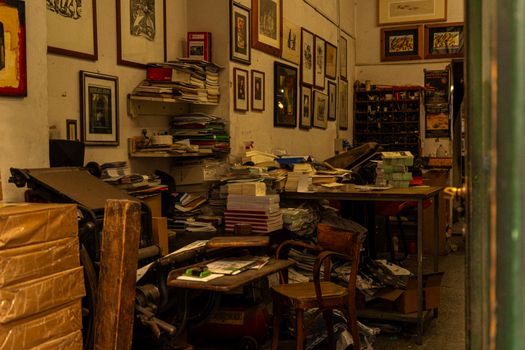
A cluttered vintage print shop interior in Florence, Italy, filled with books and artwork. Photo: WASSIM AHMED / Pexels
When you decide to buy limited edition art prints, you're not just acquiring a decorative item; you're investing in a piece of an artist's vision, a tangible representation of their creative process. Unlike mass-produced posters or open edition prints, limited edition prints are finite. This scarcity is a fundamental aspect of their appeal and value. Each print within an edition is typically numbered (e.g., 1/100, meaning the first print out of an edition of one hundred) and signed by the artist. This signature acts as a guarantee of authenticity and direct artistic involvement, elevating its status significantly. The process of creating these prints often involves sophisticated printmaking techniques such as lithography, etching, screen printing (serigraphy), giclée, or woodcut. Each method imparts a unique texture, depth, and character to the final piece, making it distinct from the original artwork it might be based on. For example, a silkscreen print by Andy Warhol carries a different aesthetic and value proposition than a giclée print of a digital painting, even if both are limited editions. Understanding these techniques can deepen your appreciation and inform your buying decisions. The artist's direct involvement in the creation or at least the approval of each print is what truly sets limited editions apart. They often supervise the printing process, ensuring that each impression meets their exacting standards. This hands-on approach ensures that the print isn't merely a photographic reproduction but an artwork in its own right, intended to be collected and appreciated for its unique qualities. The size of the edition is also a critical factor. Generally, smaller editions are more valuable due to their increased rarity. An edition of 25 will typically command a higher price than an edition of 500, assuming all other factors (artist, condition, technique) are equal. Furthermore, some editions include 'Artist's Proofs' (AP), 'Printer's Proofs' (PP), or 'Hors Commerce' (HC) prints, which are outside the main numbered edition but are also signed and highly collectible. These are usually a small percentage of the total edition and are often considered particularly desirable by collectors. The decision to collect art, especially limited edition prints, is a journey into appreciating artistry, technique, and market dynamics. It's about finding pieces that resonate with you aesthetically while also understanding their potential as an investment. This initial understanding forms the bedrock of a smart collecting strategy, ensuring that when you buy limited edition art prints, you do so with knowledge and confidence.

Navigating the Market: Where to Buy Limited Edition Art Prints
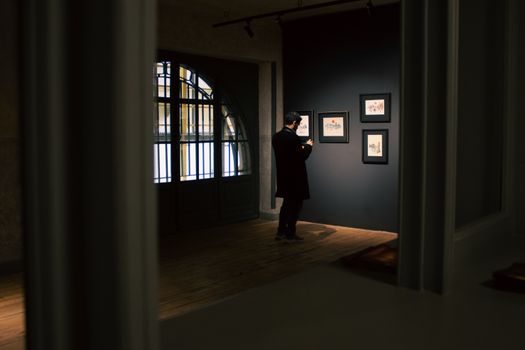
A man in a gallery analyzes framed art in dim lighting, creating a sophisticated atmosphere. Photo: İrem 🎈 / Pexels
The landscape for acquiring limited edition art prints is vast and varied, offering options for every type of collector, from the seasoned connoisseur to the nascent enthusiast. Knowing where to look is crucial for securing authentic pieces at fair prices. Established art galleries, both brick-and-mortar and online, are primary sources. Reputable galleries often represent specific artists and maintain strong relationships with their studios, ensuring the authenticity and provenance of the prints they sell. They can also offer valuable insights into an artist's career trajectory, market trends, and provide detailed condition reports. When considering an online gallery, scrutinize their reputation, read reviews, and check for clear return policies and authenticity guarantees. Some prominent online platforms specialize in limited edition prints, curating selections from a wide range of artists and offering transparent pricing. These platforms often provide extensive artist biographies, detailed print specifications, and high-resolution images, making the buying process more informed. Auction houses, both major international players and smaller regional ones, are another significant avenue. Auctions can be thrilling and offer the chance to acquire rare or historically significant prints. However, they require careful due diligence. Buyers should thoroughly review the auction catalog, attend previews if possible, and understand the buyer's premium and other associated fees. Authenticity and condition reports from auction houses should be meticulously examined. Directly purchasing from the artist's studio or website is an increasingly popular option, particularly for emerging artists. This not only allows you to support the artist directly but can also provide a more personal connection to the artwork. Many artists offer limited edition prints through their own e-commerce sites, often with personalized touches. However, always ensure the artist's website is legitimate and secure. Art fairs and exhibitions also present excellent opportunities to discover new artists and acquire prints directly. These events allow you to see the artwork in person, speak with artists or gallerists, and gain a deeper understanding of the printmaking process. Finally, consider specialized print dealers. These experts focus exclusively on prints and often possess deep knowledge of various printmaking techniques, historical periods, and artists. They can be invaluable resources for collectors looking for specific types of prints or seeking expert advice. Regardless of the source, always prioritize transparency, clear communication, and a robust guarantee of authenticity when you buy limited edition art prints.

Ensuring Authenticity and Value: What to Look For When Collecting

A woman inspects a freshly printed design in a modern printmaking studio, surrounded by printing tools and equipment. Photo: Thoranin Duangsin / Pexels
The true value and enjoyment of limited edition art prints hinge on their authenticity and condition. Without these assurances, you risk acquiring a piece that holds little artistic or monetary worth. The cornerstone of authenticity is the Certificate of Authenticity (COA). A COA should ideally be issued by the artist, their studio, a reputable gallery, or the publisher of the print. It should include crucial details such as the artist's name, the title of the artwork, the printmaking technique used, the edition size, the specific print number, and the date of creation. A genuine artist's signature on the print itself, usually in pencil below the image, is also a vital indicator. Familiarize yourself with the artist's typical signature to spot any discrepancies. Beyond the COA and signature, provenance – the history of ownership – plays a significant role. A clear chain of ownership, especially from a reputable source, adds significant credibility and value to a print. Don't hesitate to ask for any available documentation regarding previous owners or exhibitions. The condition of the print is equally critical. Even a perfectly authentic print can lose substantial value if it's damaged. Look for signs of fading, foxing (brown spots caused by mold or impurities), tears, creases, water damage, or discoloration. The edges and corners should be crisp, and the paper should ideally be free from any imperfections. If purchasing online, always request high-resolution images of the entire print, including close-ups of the signature, numbering, and any areas of concern. For more valuable pieces, consider having an independent art appraiser or conservator examine the print before finalizing the purchase. They can provide an unbiased assessment of its condition and authenticity. The type of paper or substrate used also impacts longevity and value. Archival-quality paper and inks are essential for preserving the print over time without degradation. Reputable printers and artists will always use materials designed for permanence. Understanding these elements when you buy limited edition art prints empowers you to make informed decisions, protecting your investment and ensuring the longevity of your cherished artwork.

Protecting Your Investment: Care, Framing, and Display Tips
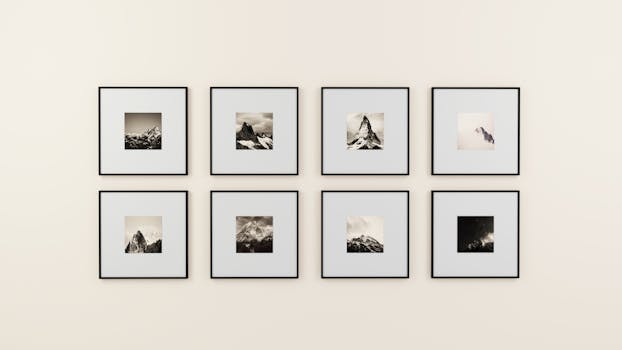
A minimalist display of framed mountain photography on a plain wall. Photo: Medhat Ayad / Pexels
Once you've made the decision to buy limited edition art prints, protecting your investment becomes paramount. Proper care, framing, and display are not just about aesthetics; they are essential for preserving the print's condition and value over time. Here are key tips to ensure your art prints remain pristine: * **Archival Framing:** This is arguably the most critical step. Always opt for professional, archival framing. This means using acid-free matting, backing, and mounting materials to prevent discoloration and degradation of the print. UV-protective glass or acrylic (museum glass/plexiglass) is highly recommended to shield the print from harmful ultraviolet rays, which can cause fading and color shifts. Avoid direct contact between the print surface and the glass. * **Optimal Lighting:** Never expose your limited edition prints to direct sunlight or strong artificial light for extended periods. Natural light, especially direct sunlight, is the biggest enemy of paper-based art. Consider using LED lighting, which emits very little UV radiation and heat, for illuminating your artwork. Rotate your prints periodically if they are in areas with unavoidable light exposure. * **Environmental Control:** Store and display prints in a stable environment. Extreme fluctuations in temperature and humidity can cause paper to warp, buckle, or encourage mold growth. An ideal environment is typically between 68-72°F (20-22°C) with 45-55% relative humidity. Avoid hanging prints in bathrooms, kitchens, or near radiators and air conditioning vents. * **Handling with Care:** Always handle unframed prints with clean, dry cotton gloves to prevent transferring oils and dirt from your skin. Support the print evenly from underneath when moving it, and never bend or roll it tightly. * **Storage for Unframed Prints:** If you're not framing a print immediately, store it flat in an acid-free portfolio or archival box, interleaved with acid-free tissue paper. Keep it away from light, dust, and environmental fluctuations. By diligently following these care and display guidelines, you can significantly extend the life and maintain the value of your limited edition art prints, allowing them to be enjoyed for generations.

Comparison

FeatureLimited Edition PrintOpen Edition PrintOriginal Artwork
ScarcityFinite, numbered, signedUnlimited, often unsignedUnique, one-of-a-kind
Artist's InvolvementDirect supervision/creationMinimal direct involvementFull creation
Investment PotentialGood, depending on artist/editionLowHigh, depending on artist
AccessibilityModerate to high price rangeAffordableHigh price range
AuthenticityCOA, signature crucialLess emphasis on COAProvenance, artist direct
Technique Variety

What Readers Say

"I was hesitant to buy limited edition art prints online, but this guide gave me the confidence to find a reputable gallery. The print arrived beautifully, and the COA provided peace of mind."

Sarah J. · Austin, TX

"As a new collector, understanding the nuances of edition sizes and artist signatures was invaluable. I now feel much more informed when browsing for new pieces for my apartment."

Mark D. · Brooklyn, NY

"Following the advice on archival framing made a huge difference. My limited edition print looks stunning and I'm confident it's protected for years to come, a true investment in beauty."

Emily R. · San Francisco, CA

"The section on authenticating prints was incredibly helpful, though I wish there were more examples of common fakes to look out for. Still, a solid resource for anyone looking to buy limited edition art prints."

David L. · Chicago, IL

"This article clarified so much about collecting prints. I used to think they were just 'copies,' but now I appreciate the artistry and value. I just acquired my first signed limited edition print!"

Jessica M. · Miami, FL

Frequently Asked Questions

What specifically makes a limited edition art print valuable?

The value of a limited edition print is primarily driven by its scarcity (the smaller the edition size, the rarer it is), the reputation and market demand for the artist, the condition of the print, and its provenance (history of ownership). The printmaking technique and the use of archival materials also contribute significantly to its long-term value.

How can I be sure a limited edition print is authentic when buying online?

To ensure authenticity online, always purchase from established and reputable galleries or platforms with strong return policies. Look for a Certificate of Authenticity (COA) from the artist or publisher, clear high-resolution images of the print, signature, and numbering, and read reviews of the seller. Contact the seller directly with any questions.

What's the best way to frame a limited edition art print to preserve its quality?

The best way is through professional archival framing. This involves using acid-free matting and backing, UV-protective glass or acrylic, and ensuring the print is not directly touching the glass. This protects against environmental damage, fading, and chemical degradation from framing materials.

Are limited edition art prints a good investment compared to original paintings?

Limited edition prints can be an excellent investment, offering a more accessible entry point into collecting an artist's work than original paintings. While originals often appreciate faster, prints by established or emerging artists can also see significant value growth, especially if the artist's career flourishes and the edition size is small. It depends heavily on the artist and market trends.

What is the difference between a giclée print and other printmaking techniques?

Giclée is a modern, high-quality inkjet printing method using archival inks on fine art paper or canvas, known for its excellent color fidelity and longevity. Other techniques like lithography, etching, and screenprinting involve more traditional, hands-on processes where the artist often works directly with plates or screens, resulting in distinct textures and aesthetic qualities unique to each method.

Who should consider collecting limited edition art prints?

Anyone with an appreciation for art, a desire to own unique pieces, and a budget that might not extend to original paintings. They are perfect for new collectors, those looking to diversify their art collection, or individuals seeking to decorate their spaces with meaningful and potentially valuable artwork from reputable artists.

What are the common risks associated with buying limited edition art prints?

The main risks include acquiring a non-authentic piece (a fake or unauthorized reproduction), purchasing a damaged print without full disclosure, or overpaying due to lack of market knowledge. These risks can be mitigated by thorough research, buying from reputable sources, and always verifying authenticity and condition.

How might the market for limited edition prints evolve in the coming years?

The market is likely to continue growing, driven by increased accessibility through online platforms and a rising interest in contemporary and digital art. We may see more artists experimenting with new printmaking technologies and blockchain for verifying authenticity. The demand for prints by diverse and emerging artists is also expected to rise.

Ready to enrich your home and collection? Use this guide to confidently buy limited edition art prints that resonate with your taste and offer lasting value. Start your art journey today and discover the perfect piece.

Topics: buy limited edition art printscollecting art printslimited edition art marketinvesting in art printsfine art prints
Leo List

DK Escorts LU Escorts AT Escorts SE Escorts FI Escorts CH Escorts DE Escorts HR Escorts IE Escorts GR Escorts CZ Escorts NO Escorts BE Escorts FR Escorts SI Escorts IL Escorts NL Escorts PL Escorts HU Escorts ES Escorts IT Escorts PT Escorts SK Escorts RO Escorts ZA Escorts UY Escorts US Escorts UK Escorts NZ Escorts AU Escorts
Brampton weed
Adultwork EstrelaBet Vai de Bet R7 Bet Betão Galera Bet Rainbet Bet9ja Shop SportyBet BetKing Sisal Loto Foot Hollywoodbets YesPlay Odibets RushBet Jugabet BetWarrior BetCity MSport betPawa Fortebet