✓ California hosts some of the world's most prestigious art and design institutions.
✓ Specialized programs range from traditional fine arts to cutting-edge digital media.
✓ Many schools offer strong industry connections and internship opportunities.
✓ Location in major creative hubs like Los Angeles and San Francisco provides unique cultural exposure.
How It Works
1
Define Your Artistic Path
Before applying, identify your primary artistic interests, whether it's painting, sculpture, graphic design, animation, or film. This clarity will help narrow down schools with specialized programs.
2
Research Top Institutions
Explore universities and colleges known for their strong arts programs, considering factors like faculty reputation, alumni success, facilities, and campus culture. Look beyond just rankings.
3
Prepare a Stellar Portfolio
Your portfolio is often the most critical component of your application. Curate a collection of your strongest, most representative work that showcases your skills, creativity, and potential.
4
Navigate the Application Process
Understand each school's specific application requirements, including deadlines, essays, letters of recommendation, and portfolio submission guidelines. Start early to avoid stress.
Why Choose California for Your Art Education?
Photo: RDNE Stock project / Pexels
California has long been a beacon for artists, designers, filmmakers, and innovators across various creative disciplines. The state's unique blend of cultural diversity, technological advancement, and a thriving entertainment industry creates an unparalleled environment for art education and professional growth. When considering the best art schools in California, you're not just looking at institutions; you're looking at gateways to industries that define global culture. From the vibrant street art scenes of Los Angeles to the tech-driven design studios of Silicon Valley and the avant-garde galleries of San Francisco, California offers a dynamic backdrop unlike any other. This rich ecosystem means students have access to a wealth of internship opportunities, networking events, and post-graduation employment prospects directly within their chosen fields. Moreover, the proximity to major studios in film, animation, gaming, and advertising provides invaluable real-world exposure that is often integrated into the curriculum.
The academic landscape in California is equally diverse, catering to a wide spectrum of artistic aspirations. Whether you dream of becoming a fine artist, a concept designer for Hollywood blockbusters, a cutting-edge fashion designer, or a digital media pioneer, there's a program tailored to your ambitions. Many of these institutions boast world-renowned faculty who are active practitioners and leaders in their respective fields, bringing contemporary insights and industry connections directly into the classroom. This mentorship is crucial for developing not only technical skills but also a professional mindset. Furthermore, the collaborative spirit often found within California's art schools encourages interdisciplinary exploration, allowing students to blend traditional art forms with new technologies, fostering innovation and adaptability—skills essential in today's rapidly evolving creative industries. The sheer number and variety of exhibitions, performances, and cultural events happening year-round also ensure that students are constantly immersed in a living, breathing art scene, providing endless inspiration and opportunities for engagement. For those seeking a comprehensive guide to various artistic paths, exploring general arts education can provide a broader context.
Spotlight on Premier Art Institutions in California
Photo: Gera Cejas / Pexels
Delving into the specifics, several institutions consistently rank among the best art schools in California, each with its unique strengths and specialties. The California Institute of the Arts (CalArts), founded by Walt Disney, stands out for its experimental approach and strong ties to the animation, film, and performing arts industries. Its interdisciplinary programs encourage students to push boundaries and explore new forms of artistic expression. Graduates often go on to shape the future of entertainment and contemporary art.
Another powerhouse is ArtCenter College of Design in Pasadena, celebrated for its rigorous, industry-focused curriculum in areas like industrial design, transportation design, graphic design, and illustration. ArtCenter prides itself on producing highly skilled professionals who are immediately ready to contribute to leading companies worldwide. Its faculty are often active professionals, ensuring that education remains relevant and cutting-edge.
The Otis College of Art and Design, located in Los Angeles, offers a wide array of programs including fashion design, toy design, and digital media, alongside traditional fine arts. Otis is known for its commitment to social engagement through art and design, preparing students to use their creative skills for positive impact. Its location provides unparalleled access to the LA art scene and design industries.
For those interested in a university setting with a strong art department, UCLA's School of the Arts and Architecture and USC's Roski School of Art and Design offer robust programs that combine artistic training with a broad liberal arts education. These institutions provide a unique blend of academic rigor and creative exploration, benefiting from the resources of large research universities. The San Francisco Art Institute (SFAI), while facing recent challenges, has a storied history as a hub for experimental and avant-garde art, influencing generations of artists. While its future is uncertain, its legacy remains significant in the conversation of California art education. Each of these institutions offers distinct advantages, making it crucial for prospective students to research their specific program offerings, faculty profiles, and alumni networks to find the best fit for their individual artistic journey and career aspirations. The diversity among these top-tier schools ensures that almost every artistic inclination can find a suitable home within California's educational landscape.
Crafting a Winning Portfolio and Application
Photo: Anastasia Shuraeva / Pexels
Admission to the best art schools in California is highly competitive, and a meticulously crafted portfolio is often the most critical component of your application. Think of your portfolio as a visual autobiography of your artistic journey, showcasing not just your technical skills but also your unique voice, creative process, and potential for growth. Most schools look for diversity in your work, demonstrating proficiency in various mediums and techniques, but also a cohesive vision that hints at your artistic identity. Include pieces that highlight your strengths, whether it's drawing from observation, conceptual development, color theory, or digital proficiency. It's often recommended to include a few pieces that show your experimental side or works-in-progress, as these can reveal your problem-solving skills and willingness to take risks. Pay close attention to each school's specific portfolio requirements; some might ask for a certain number of pieces, while others might specify particular types of work, such as life drawings or 3D models.
Beyond the portfolio, your application essay or personal statement is your opportunity to articulate your passion, explain your artistic influences, and elaborate on why you believe a particular institution is the right fit for you. This is where you connect your personal story with your artistic aspirations. Research the school's mission, faculty, and specific programs, and demonstrate how your goals align with their offerings. Avoid generic statements; instead, be specific about what you hope to learn, what faculty members you admire, or what resources you plan to utilize. Letters of recommendation from art teachers or mentors who know your work well can significantly strengthen your application, providing an external validation of your talent and character. Finally, ensure all components of your application are submitted well before deadlines. Attending portfolio review days or information sessions, either in person or virtually, can also provide invaluable feedback and insights into what admissions committees are looking for. These events are also excellent opportunities to ask questions and demonstrate your genuine interest in the school. Understanding the broader landscape of art education can help contextualize these specific requirements.
Beyond the Classroom: Making the Most of Your Art School Experience
Photo: Raúl Sotomayor / Pexels
Attending one of the best art schools in California offers far more than just classroom instruction; it's an immersive experience designed to shape you into a professional artist or designer. To truly maximize your time, actively engage with the vibrant campus community and the surrounding creative landscape.
Here are some key tips:
* **Network Relentlessly:** Your peers, professors, and visiting artists are your future colleagues and collaborators. Attend guest lectures, workshops, and school events. Build genuine connections, as these relationships can open doors to internships, job opportunities, and lifelong friendships. Don't underestimate the power of alumni networks either.
* **Seek Out Internships and Apprenticeships:** California's creative industries are vast. Look for internships that align with your career goals, whether it's at an animation studio, a fashion house, a gallery, or a design firm. Practical experience is invaluable and often leads to full-time employment after graduation.
* **Utilize Campus Resources:** Take advantage of state-of-the-art studios, labs, libraries, and career services. Many schools offer mentorship programs, portfolio review sessions, and workshops on professional development, grant writing, and entrepreneurship for artists.
* **Participate in Exhibitions and Critiques:** Regularly showcase your work, both on campus and in local galleries. Critiques, while sometimes challenging, are essential for growth. Learn to receive feedback constructively and use it to refine your artistic vision.
* **Explore Interdisciplinary Opportunities:** Many art schools encourage students to take courses outside their primary major. This can lead to unexpected discoveries and broaden your skillset, making you a more versatile and adaptable creative professional.
* **Engage with the Local Art Scene:** Visit museums, galleries, and art fairs. Attend artist talks and open studio events. Immerse yourself in the cultural pulse of your city, drawing inspiration and understanding current trends in the art world.
By proactively engaging with these opportunities, you'll not only enhance your artistic skills but also build a robust professional network and gain real-world experience, setting a strong foundation for a successful career in the arts.
Comparison
Feature
CalArts
ArtCenter College of Design
Otis College of Art and Design
Key Focus
Experimental, Interdisciplinary Arts (Film, Animation, Performing Arts)
"Attending CalArts was a transformative experience. The faculty pushed me to explore beyond my comfort zone, and I landed an animation internship at a major studio directly through their network. Truly one of the best art schools in California for film."
Sophia R. · Los Angeles, CA
★★★★★
"ArtCenter's industrial design program is incredibly rigorous but worth every moment. I feel completely prepared for my career, and the connections I made there are invaluable. They truly focus on real-world applications."
Marcus L. · Pasadena, CA
★★★★★
"Otis College of Art and Design helped me find my unique voice in fashion. The hands-on training and industry critiques were instrumental in launching my own sustainable clothing line after graduation. A fantastic community."
Chloe P. · San Francisco, CA
★★★★★
"While UCLA's art program can sometimes feel a bit large, the resources and intellectual depth available are unparalleled. I appreciated the balance of fine art training with a broader academic perspective, though I sometimes wished for smaller class sizes."
David K. · Santa Monica, CA
★★★★★
"The conceptual focus at one of the Bay Area schools really opened my eyes to art's potential for social commentary. The supportive environment and access to experimental mediums were exactly what I needed to develop my practice."
Elena V. · Oakland, CA
Frequently Asked Questions
What is the most important factor when choosing an art school in California?
The most important factor is aligning the school's program and focus with your specific artistic interests and career goals. Research faculty expertise, alumni success in your desired field, available facilities, and the overall campus culture to ensure it's a good fit for your individual learning style and aspirations.
Are art schools in California very expensive?
Tuition for private art schools in California can be significant, often ranging from $40,000 to over $60,000 per year. Public universities with strong art departments may be more affordable, especially for in-state residents. However, many schools offer scholarships, grants, and financial aid packages to help offset costs. Research financial aid options thoroughly.
How do I prepare a strong portfolio for California art schools?
To prepare a strong portfolio, showcase a diverse range of your best work, demonstrating both technical skill and creative thinking. Include observational drawings, conceptual pieces, and projects that highlight your unique artistic voice. Pay close attention to each school's specific portfolio requirements and consider attending portfolio review events for feedback.
Do art schools in California offer good career prospects?
Yes, many of the best art schools in California boast strong industry connections, particularly in fields like entertainment, design, and technology. Graduates often find opportunities in animation, film, graphic design, industrial design, fashion, and fine arts, especially given the state's vibrant creative economy. Networking and internships are key to leveraging these prospects.
How do traditional art schools compare to university art departments in California?
Traditional art schools (like CalArts or ArtCenter) typically offer highly specialized, immersive programs focused solely on art and design, often with more hands-on studio time. University art departments (like UCLA or USC) integrate art education within a broader liberal arts curriculum, offering a more well-rounded academic experience but potentially less studio time. Your preference depends on your desired educational breadth.
Who should consider attending an art school in California?
Anyone with a serious passion for the arts, a desire to develop their creative skills professionally, and an interest in working within dynamic creative industries should consider an art school in California. It's particularly beneficial for those seeking strong industry connections, cutting-edge facilities, and a diverse, inspiring artistic community.
What are the common misconceptions about art school?
Common misconceptions include that art school is 'easy,' that it doesn't lead to a real job, or that it's only for 'talented' people. In reality, art school is rigorous, demanding dedication and hard work. It provides tangible skills for diverse creative careers, and while talent is a factor, persistence, critical thinking, and a willingness to learn are equally, if not more, important for success.
What emerging trends are shaping art education in California?
Emerging trends include a greater emphasis on interdisciplinary studies, integrating technology like AI, VR/AR, and generative art into traditional practices, and a growing focus on social impact and sustainability in design. Digital media, game design, and user experience (UX) design programs are also seeing significant growth, reflecting industry demands.
Embark on your creative journey by exploring the best art schools in California. With unparalleled opportunities, world-class faculty, and a vibrant artistic community, your future in the arts starts here. Take the first step towards a fulfilling and impactful career today.

 Photo: RDNE Stock project / Pexels
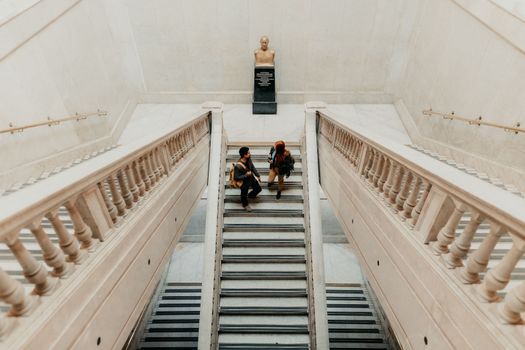 Photo: Gera Cejas / Pexels
 Photo: Anastasia Shuraeva / Pexels
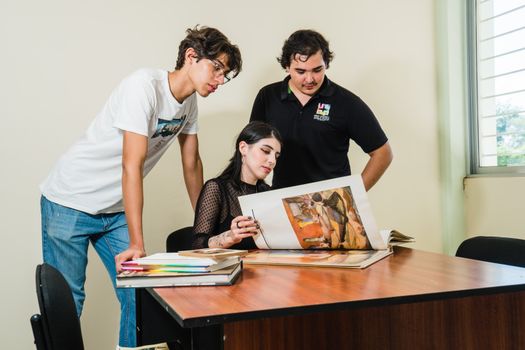 Photo: Raúl Sotomayor / Pexels