Unlocking Healing: What Are the Benefits of Art Therapy?

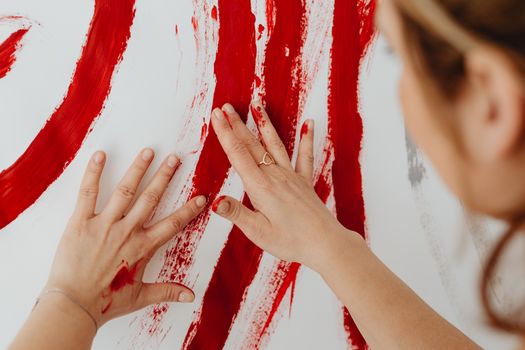
Close-up of a woman using her hands to paint abstract red strokes on a canvas.Photo: www.kaboompics.com / Pexels

Unlocking Healing: What Are the Benefits of Art Therapy?

Explore how engaging in creative processes provides profound benefits for mental, emotional, and physical well-being.

Discover Your Inner Artist

Key Takeaways

  • ✓ Art therapy is a recognized mental health profession using creative processes for healing and self-exploration.
  • ✓ It's effective for all ages, from children to seniors, and doesn't require artistic talent.
  • ✓ Benefits include reduced stress, improved self-esteem, enhanced communication, and processing trauma.
  • ✓ Art therapy is often used in conjunction with other therapeutic approaches for comprehensive care.

How It Works

1
Initial Assessment & Goal Setting

You'll meet with a certified art therapist to discuss your needs, history, and therapy goals. Together, you'll establish a personalized plan for your creative journey.

2
Creative Engagement & Expression

The therapist will guide you through various art-making activities, using materials like paint, clay, collage, or drawing. The focus is on the process of creation and self-expression, not artistic skill.

3
Reflection & Interpretation

After creating, you'll discuss your artwork with the therapist. This reflective process helps uncover insights, emotions, and meanings embedded in your creations, fostering self-awareness.

4
Integration & Growth

The insights gained are then integrated into your daily life, helping you develop coping mechanisms, problem-solving skills, and a deeper understanding of yourself. This leads to lasting personal growth.

Understanding the Core Principles of Art Therapy
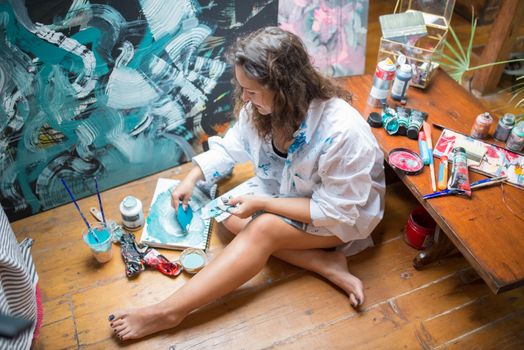
A woman artist painting abstract blue artwork indoors, surrounded by art supplies.Photo: Kampus Production / Pexels
Art therapy, at its heart, is a distinct mental health profession that leverages the creative process of art-making to improve and enhance the physical, mental, and emotional well-being of individuals across all age groups. It is not merely an art class; rather, it is a therapeutic modality facilitated by a master's-level art therapist who understands both human development and psychological theories, as well as the healing potential of art. The core principle lies in the belief that the creative process involved in artistic self-expression helps people to resolve conflicts, reduce stress, develop self-awareness, manage behavior, and attain insight. It provides a non-verbal outlet for feelings and experiences that may be too difficult or complex to articulate with words alone. This is particularly powerful for those who struggle with verbal communication, such as young children, individuals with certain developmental disorders, or those who have experienced severe trauma. The focus is not on the aesthetic quality of the artwork but on the process of creating and the symbolic meaning within the creation. The art therapist acts as a guide, providing a safe and supportive environment for exploration, ensuring that the client feels empowered to express themselves authentically without judgment. They help clients interpret their artwork, connecting symbols, colors, and forms to their inner experiences and external realities. This interpretation phase is crucial, as it helps individuals to gain new perspectives on their challenges and strengths, fostering a deeper understanding of their emotional landscape. The materials used in art therapy are diverse, ranging from paints, pastels, and clay to collage materials, textiles, and digital art tools, offering a wide spectrum of expressive possibilities. Each material can evoke different responses and facilitate distinct forms of expression, allowing therapists to tailor interventions to individual client needs. For instance, fluid materials like paint might encourage emotional release, while structured materials like clay could aid in containment and grounding. The therapeutic relationship between the client and the art therapist is foundational, built on trust, empathy, and respect. This relationship, combined with the transformative power of the art-making process, creates a dynamic environment for healing and personal growth. Understanding these core principles is essential to appreciating the profound impact and versatility of art therapy as a legitimate and effective form of psychological intervention. It's a journey of self-discovery through color, form, and imagination, leading to profound insights and lasting change. Discover more about creative arts and their impact on well-being.

Emotional Regulation and Stress Reduction Through Creative Expression
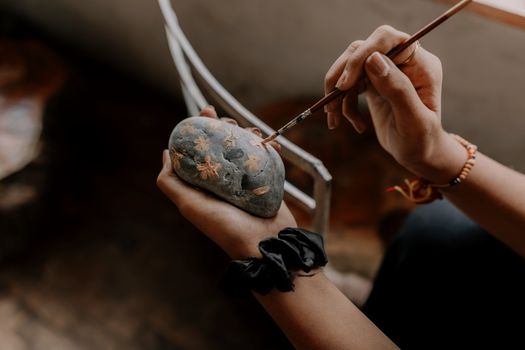
Close-up of hands painting intricate designs on a stone, showcasing artistic creativity indoors.Photo: Harsh Kukadiya / Pexels
One of the most significant benefits of art therapy is its profound ability to facilitate emotional regulation and significantly reduce stress levels. In a world increasingly fraught with pressures and anxieties, finding healthy outlets for emotional processing is paramount. Art therapy offers a unique, non-confrontational avenue to explore and manage intense emotions such as anger, sadness, fear, and anxiety. When individuals engage in art-making, they are often able to externalize their internal emotional states. This act of transferring feelings onto a canvas, into a sculpture, or through a collage, creates a psychological distance from the emotion itself. This distance allows for observation and reflection, making it easier to process and understand these feelings without becoming overwhelmed. For instance, someone struggling with chronic anger might use bold, aggressive strokes and dark colors, visually representing their inner turmoil. By seeing this externalized emotion, they can then discuss it with the therapist, identifying triggers and developing healthier coping strategies. The very act of creation can be inherently meditative and calming. The focused attention required for art-making shifts the brain's activity away from stress-inducing thoughts and towards the present moment. This mindfulness aspect can lower heart rate, reduce muscle tension, and decrease the production of stress hormones like cortisol. The repetitive motions involved in drawing, sculpting, or even collaging can have a soothing, rhythmic effect, similar to meditation or other relaxation techniques. Moreover, art therapy provides a safe space for emotional release. Many individuals find it challenging to articulate their deepest fears or traumas verbally. Art offers a symbolic language, allowing them to communicate these experiences indirectly. A child who has experienced trauma might draw a monster, representing their fear, without having to verbally describe the terrifying event. This symbolic representation is a powerful tool for processing difficult memories and emotions in a way that feels manageable and less threatening. The sense of accomplishment and mastery that comes from creating something, regardless of artistic skill, also contributes to stress reduction and emotional well-being. It boosts self-esteem and provides a positive outlet for energy, redirecting destructive impulses into constructive, creative endeavors. This process helps individuals develop a stronger sense of self-efficacy and resilience in the face of life's challenges. Through guided exploration of their artistic creations, clients learn to identify emotional patterns, understand their triggers, and develop healthier ways to respond, ultimately leading to improved emotional regulation and a significant reduction in overall stress. This makes art therapy an invaluable resource for anyone seeking to cultivate greater inner peace and emotional balance in their lives.

Enhancing Communication and Self-Esteem Through Artistic Expression
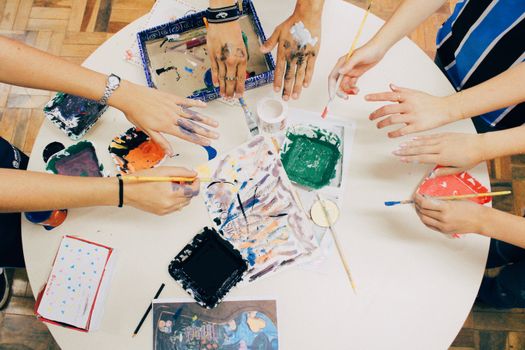
A group of people engaged in a creative painting session using mixed media on a round table.Photo: Schena Maria Karlec / Pexels
The benefits of art therapy extend significantly to improving communication skills and bolstering self-esteem, particularly for individuals who find verbal expression challenging. For many, words can feel inadequate or even dangerous, especially when dealing with complex emotions, traumatic experiences, or interpersonal difficulties. Art provides an alternative language, a visual vocabulary that transcends linguistic barriers and allows for nuanced expression. By creating artwork, individuals can communicate feelings, thoughts, and experiences that might otherwise remain unspoken. For example, a teenager struggling with social anxiety might find it difficult to articulate their fears in a group therapy setting, but through a drawing or sculpture, they can depict their sense of isolation or overwhelm. The art then becomes a starting point for dialogue with the therapist, opening doors to understanding and connection that verbal communication alone might not achieve. This non-verbal communication is particularly powerful in family therapy or group settings, where individuals can use art to represent their relationships, conflicts, and hopes, fostering empathy and mutual understanding among participants. Seeing how others interpret their art, and in turn, interpreting the art of others, can build bridges and facilitate deeper, more authentic interactions. Beyond communication, art therapy plays a crucial role in enhancing self-esteem and self-worth. Many people enter therapy feeling inadequate, ashamed, or lacking confidence. The creative process, when guided by a supportive art therapist, offers a unique opportunity for self-discovery and validation. There is no 'right' or 'wrong' way to make art in a therapeutic context; the emphasis is always on personal expression. This freedom from judgment allows individuals to experiment, take risks, and express their authentic selves without fear of failure. The act of creating something tangible, something that comes from within, can be incredibly empowering. It provides a sense of accomplishment and mastery, fostering a belief in one's own capabilities. A person who previously considered themselves 'not artistic' might discover a hidden talent or simply the joy of creation, which can translate into increased confidence in other areas of their life. Furthermore, the reflective process with the therapist helps individuals to understand their own narratives, strengths, and resilience as depicted in their artwork. Recognizing patterns, understanding personal symbols, and seeing their journey unfold visually can lead to profound insights and a stronger, more integrated sense of self. This newfound self-awareness and appreciation for their unique voice contribute significantly to a healthier self-esteem, empowering individuals to navigate life with greater confidence and authenticity. Explore creative arts as a tool for self-discovery and personal growth.

Practical Tips for Engaging with Art Therapy and Avoiding Common Pitfalls
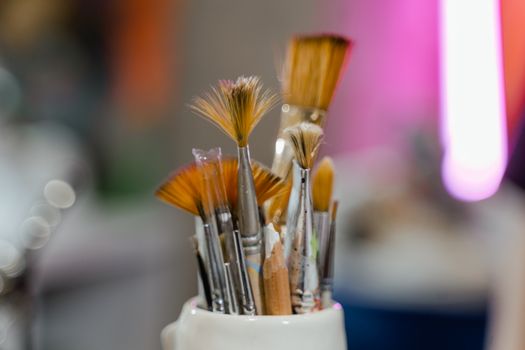
Artistic paintbrushes in a holder with a blurred colorful background.Photo: Tima Miroshnichenko / Pexels
Engaging with art therapy can be a transformative experience, but understanding how to approach it effectively and avoid common pitfalls can maximize its benefits. Here are some practical tips to guide you on your journey: * **Embrace the Process, Not the Product:** One of the most crucial tips is to let go of the pressure to create 'good' art. Art therapy is not about artistic skill or creating masterpieces; it's about the journey of self-discovery and expression. Focus on what you feel, think, and experience during the art-making process, rather than worrying about the final aesthetic outcome. Your therapist is interested in your process and what the art means to *you*, not its artistic merit. * **Be Open and Experimental:** Don't be afraid to try different materials and techniques. If drawing feels intimidating, try collage, sculpting with clay, or even abstract painting. Each medium offers a different way to express yourself and can unlock various emotions or insights. Be open to exploring what feels right in the moment, even if it's outside your comfort zone. * **Trust Your Therapist:** A certified art therapist is trained to create a safe, non-judgmental space. Trust their guidance and be honest during the reflective discussions about your artwork. They are there to help you interpret your creations and connect them to your inner world, not to judge your art or your feelings. * **Understand That Healing Isn't Always Linear:** Art therapy, like any form of healing, can have its ups and downs. Some sessions might feel profound, while others might seem less impactful. Recognize that progress is often gradual and can involve exploring uncomfortable emotions. Be patient with yourself and the process. * **Avoid Over-Intellectualizing Your Art:** While reflection is important, try not to over-analyze your artwork during the creation phase. Allow your intuition and emotions to guide your hands. The interpretation comes later, with your therapist's help, providing structure to your insights. * **Don't Compare Your Progress:** Everyone's therapeutic journey is unique. Avoid comparing your art or your progress to others, even if you are in a group setting. Your path to healing is personal and unfolds at its own pace. * **Practice Self-Care Outside Sessions:** Art therapy can bring up powerful emotions. Ensure you have healthy coping mechanisms and self-care practices in place outside of your sessions to support your overall well-being. This might include journaling, mindfulness, or spending time in nature. By keeping these tips in mind, you can approach art therapy with a mindset that fosters genuine healing, profound self-discovery, and lasting personal growth.

Comparison

FeatureArt TherapyTraditional Talk TherapyRecreational Art Classes
Primary GoalEmotional healing & self-discoveryVerbal processing & insightSkill development & enjoyment
FacilitatorCertified Art TherapistLicensed Psychologist/CounselorArt Instructor
Expression MethodNon-verbal & symbolic art-makingVerbal communication & dialogueArtistic technique & creation
FocusProcess, meaning, and emotional releaseCognitive patterns & verbal narrativeAesthetic outcome & technical skill
RequirementsNo artistic skill neededAbility to verbalize thoughtsInterest in learning art techniques
Trauma Processing✓ Effective for non-verbal trauma✓ Effective for verbal trauma✗ Not designed for trauma processing

What Our Readers Say

5 ★★★★★

"Before art therapy, I felt completely stuck, unable to verbalize the grief I was carrying. The benefits of art therapy were immediate; it gave me a way to express the unexpressable through colors and shapes. It was truly transformative."

5 ★★★★★

"I was skeptical at first, thinking I had no artistic talent. But my therapist explained it's not about making pretty pictures. The process helped me understand my anxiety triggers and find a sense of calm I hadn't felt in years. Highly recommend."

5 ★★★★★

"As a veteran, dealing with PTSD has been a long journey. Art therapy provided a safe, non-verbal outlet for my experiences. I've seen a significant reduction in flashbacks and improved sleep, which are huge results for me. The benefits of art therapy are undeniable."

4 ★★★★☆

"It took a few sessions to really get into it, but once I relaxed and stopped judging my 'art,' I started to see the value. It's not a quick fix, but it's a powerful tool for self-reflection and understanding my emotional patterns. Still exploring, but positive overall."

5 ★★★★★

"My son, who struggles with communication, has blossomed with art therapy. He's able to express his feelings through his drawings and sculptures in ways he never could with words. It's been incredible to witness the benefits of art therapy for him."

Frequently Asked Questions

What are the benefits of art therapy and who can it help?
Art therapy offers a wide range of benefits including reduced stress and anxiety, improved emotional regulation, enhanced self-esteem, better communication skills, and processing of trauma or grief. It can help individuals of all ages, from children to seniors, and is effective for those struggling with mental health conditions, developmental disorders, or simply seeking personal growth and self-discovery.
Do I need to be artistic or talented to benefit from art therapy?
Absolutely not. A common concern is the belief that one needs artistic talent to participate, but art therapy focuses on the process of creation and self-expression, not the aesthetic quality of the artwork. The therapist is interested in what your art means to you, not how 'good' it looks. Anyone can benefit, regardless of their artistic background.
How do I find a qualified art therapist in my area?
To find a qualified art therapist, you can search the American Art Therapy Association (AATA) directory on their official website. Look for individuals who are board-certified (ATR-BC) or licensed in your state. You can also ask for referrals from your doctor, mental health professional, or local community health centers.
Is art therapy covered by insurance, and what are the typical costs?
Coverage for art therapy varies widely depending on your insurance provider and plan. Some plans may cover it if it's provided by a licensed mental health professional. It's crucial to contact your insurance company directly to inquire about coverage for 'mental health services' or 'psychotherapy' that may include art therapy. Costs can range from $75 to $200 per session, depending on location, therapist's experience, and session length.
How does art therapy compare to traditional talk therapy?
While both aim for healing and personal growth, art therapy provides a non-verbal, experiential approach to complement or sometimes replace talk therapy. It's particularly effective for those who struggle to articulate feelings verbally, process trauma, or access unconscious thoughts. Talk therapy primarily relies on verbal dialogue, while art therapy uses creative expression as the main form of communication and exploration, often leading to insights that words alone might not uncover.
Who should consider art therapy as a healing modality?
Art therapy is beneficial for anyone seeking a deeper understanding of themselves, wanting to process difficult emotions, or needing a creative outlet for stress and anxiety. It's particularly helpful for individuals dealing with trauma, grief, depression, anxiety disorders, chronic illness, addiction, or those looking to improve self-esteem and communication skills. Children and adolescents often respond very well to this non-verbal approach.
Are there any risks associated with engaging in art therapy?
When facilitated by a qualified and ethical art therapist, art therapy is generally very safe. The primary 'risk' could be the emotional intensity that may arise when exploring deep-seated feelings or past traumas. A skilled therapist is trained to manage these emotions in a safe, supportive environment, helping clients process them constructively. It's crucial to ensure your therapist is certified and experienced.
What are the emerging trends or future directions in art therapy?
Emerging trends in art therapy include the integration of digital art and technology, allowing for new forms of expression and accessibility. There's also a growing focus on neuro-arts, exploring how art-making impacts brain function and recovery, particularly in areas like trauma and cognitive decline. Furthermore, art therapy is increasingly being used in community-based settings and for addressing social justice issues, leveraging its power for collective healing and advocacy.

Embrace the transformative power of creativity. Explore what are the benefits of art therapy for your mental, emotional, and physical well-being. Take the first step towards a more expressive and fulfilling life today.

Topics: what are the benefits of art therapyart therapy benefitsemotional healing artcreative expression therapymental health art